


If you've ever searched for the best ab exercises online, you've probably ended up more confused than when you started.
The good news is that building a stronger core is much simpler than it seems. It's about improving strength, stability and control through a few well-chosen exercises.
In this article, I’ll walk you through the core exercises I actually recommend to my clients, explain what your core really does, and show you how to build a simple routine you can stick to.
What muscles make up your core?
When people talk about “abs”, they often think about the muscles at the front of the abdomen. But your core is much more than that.
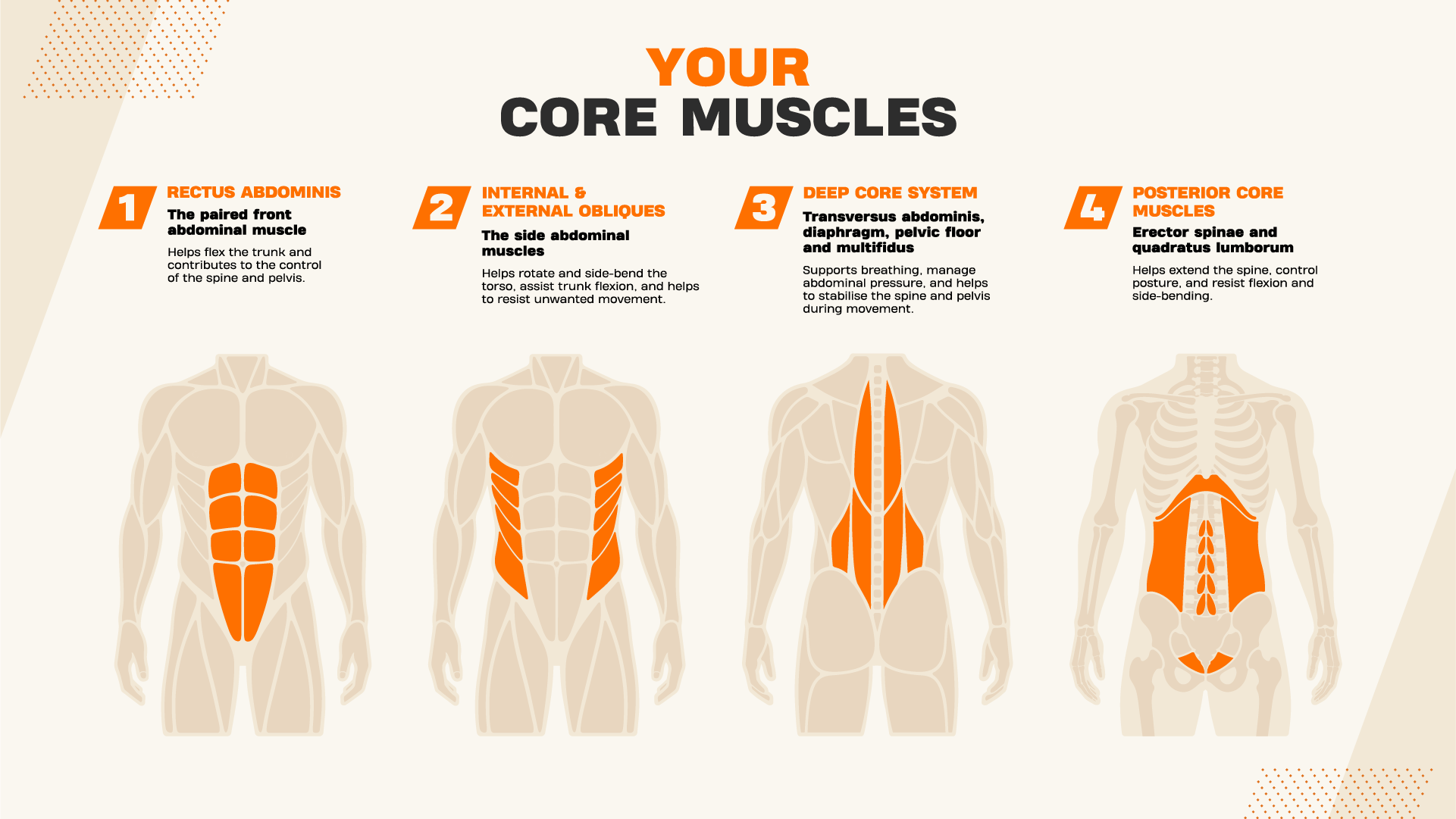
Your core includes several muscles that work together to support, move and control your trunk and pelvis. These include:
- The rectus abdominis, the paired muscle that creates the “six-pack” appearance
- The internal and external obliques, which help with rotation, side bending and trunk control
- The transversus abdominis, a deep abdominal muscle that helps create tension and support around your midsection
- Deep spinal stabilisers, such as the multifidus
- Lower back muscles, such as the erector spinae and quadratus lumborum
- The diaphragm and pelvic floor, which also contribute to breathing, pressure control and core stability
Although people often talk about “upper” and “lower” abs, these are not separate muscles. The rectus abdominis is a continuous paired muscle. Some exercises may place more emphasis on certain regions or movement patterns, but you cannot fully isolate one part of your abs.
Your core muscles have different roles. Some help you bend, rotate or side bend your torso. Others help you resist movement, stabilise your spine and pelvis, transfer force between your upper and lower body, and maintain control during everyday activities and exercise.
That’s why doing the same core exercise over and over is not enough. A stronger, more functional core comes from training it in different ways, with good technique, progressive challenge and a variety of movement patterns.
The best abdominal exercises to focus on
These six movements train your core in different ways and are suitable for all fitness levels.
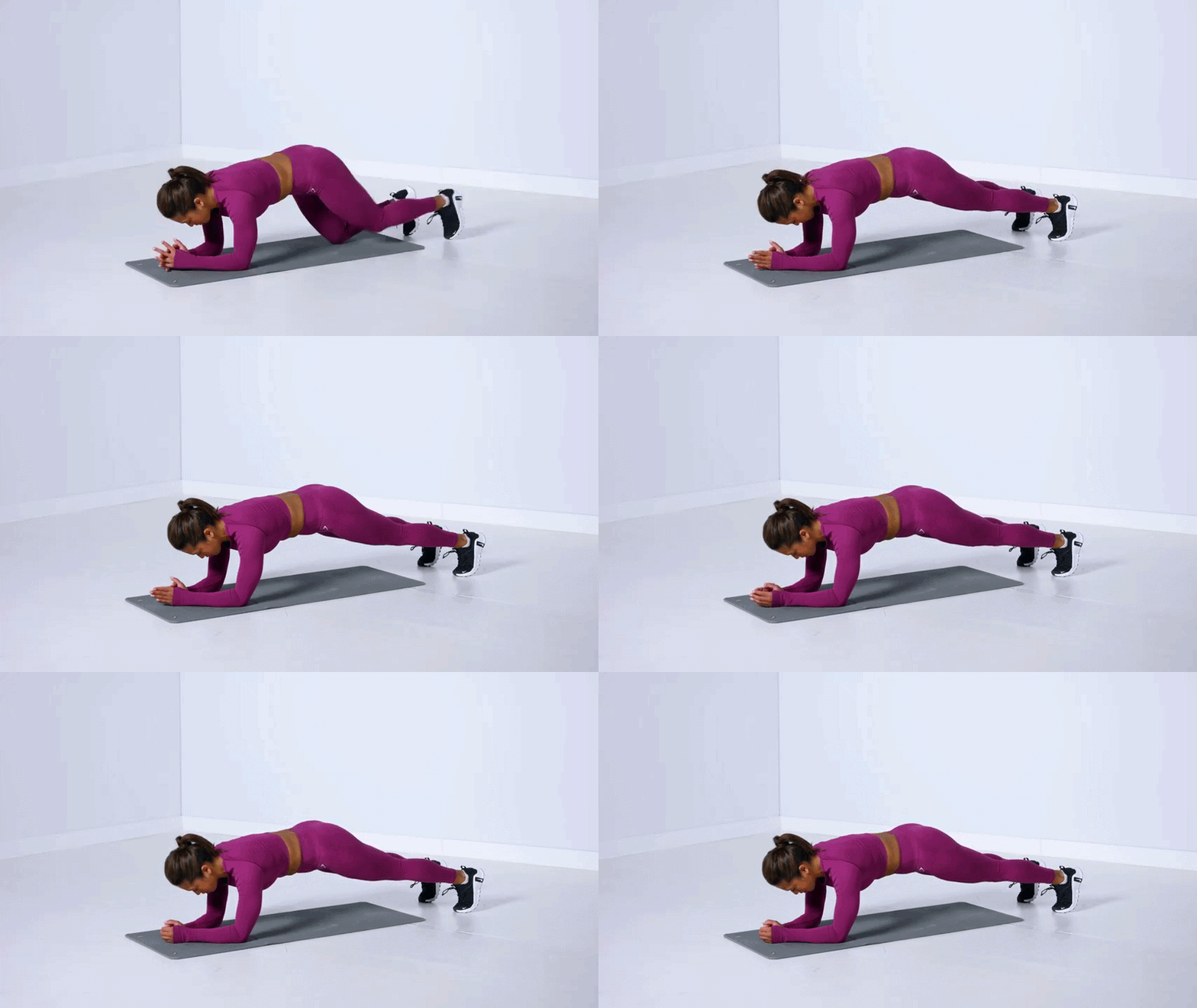
Plank
What it targets: Your entire core, especially the deeper stabilizing muscles.
How to do it:
- Place your forearms on the floor.
- Extend your legs behind you.
- Keep your body in one straight line from head to heels.
- Hold the position while breathing normally.
Trainer tip: Don't let your hips drop. Think about gently pulling your belly button towards your spine.
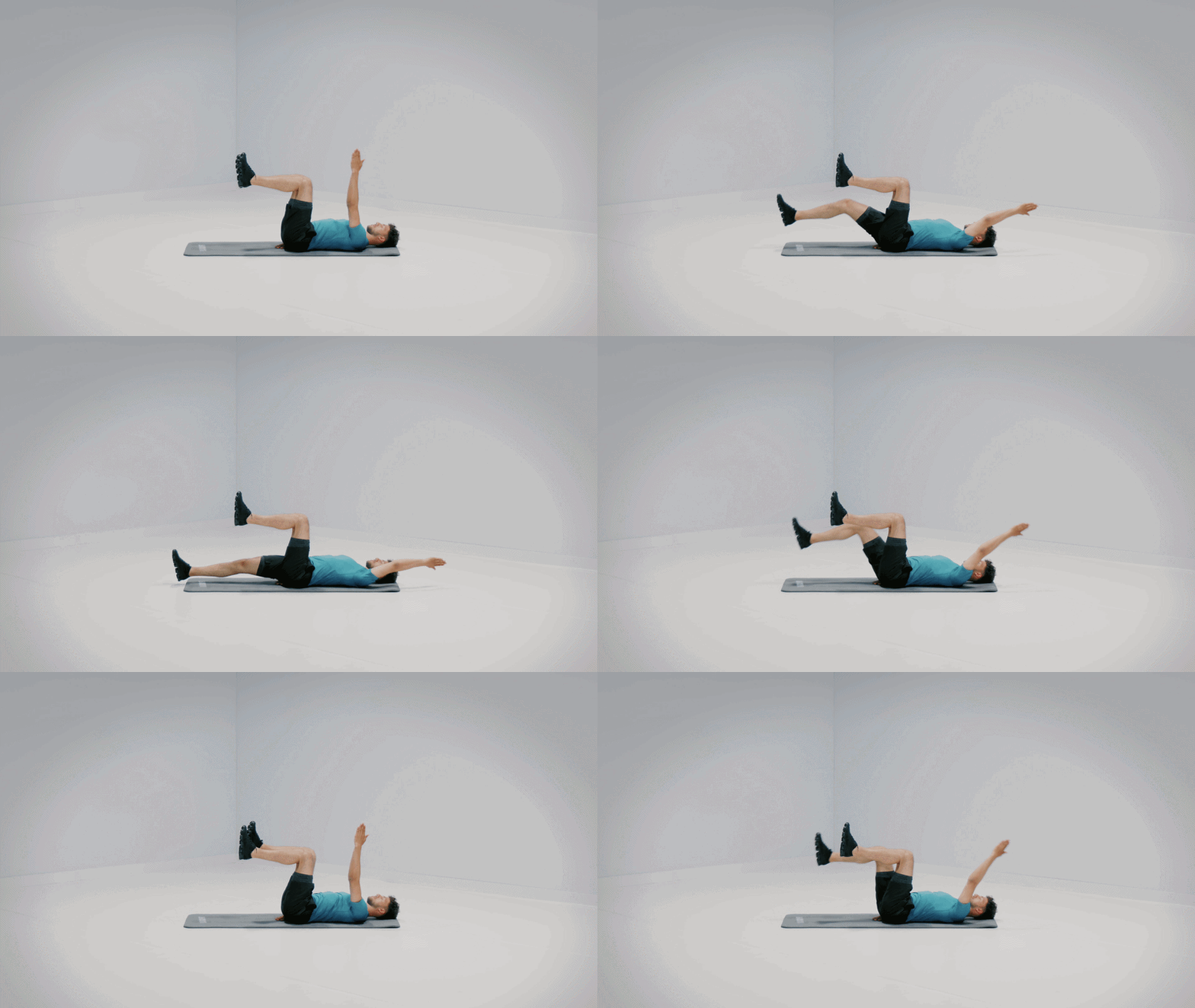
Dead bug
What it targets: Deep core muscles and coordination.
How to do it:
- Lie on your back with your arms pointing towards the ceiling.
- Lift your knees so they're bent at 90 degrees.
- Slowly extend one arm and the opposite leg.
- Return to the starting position and switch sides.
Trainer tip: Keep your lower back gently pressed into the floor throughout the movement.
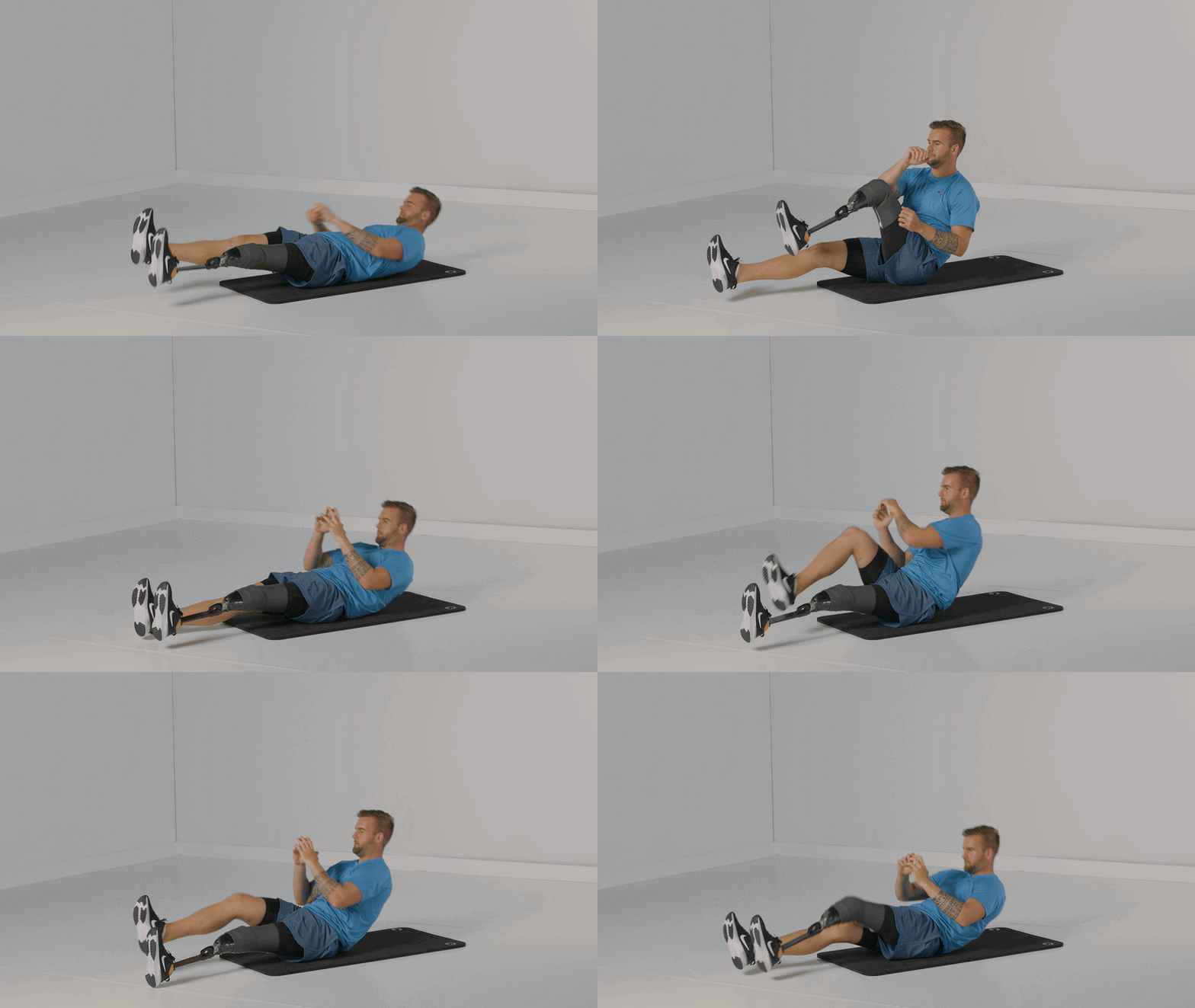
Bicycle crunch
What it targets: Rectus abdominis and obliques.
How to do it:
- Lie on your back with your hands lightly behind your head.
- Bring one knee towards your chest while rotating your opposite elbow towards it.
- Alternate sides in a slow, controlled motion.
Trainer tip: Rotate through your upper body rather than pulling on your neck.
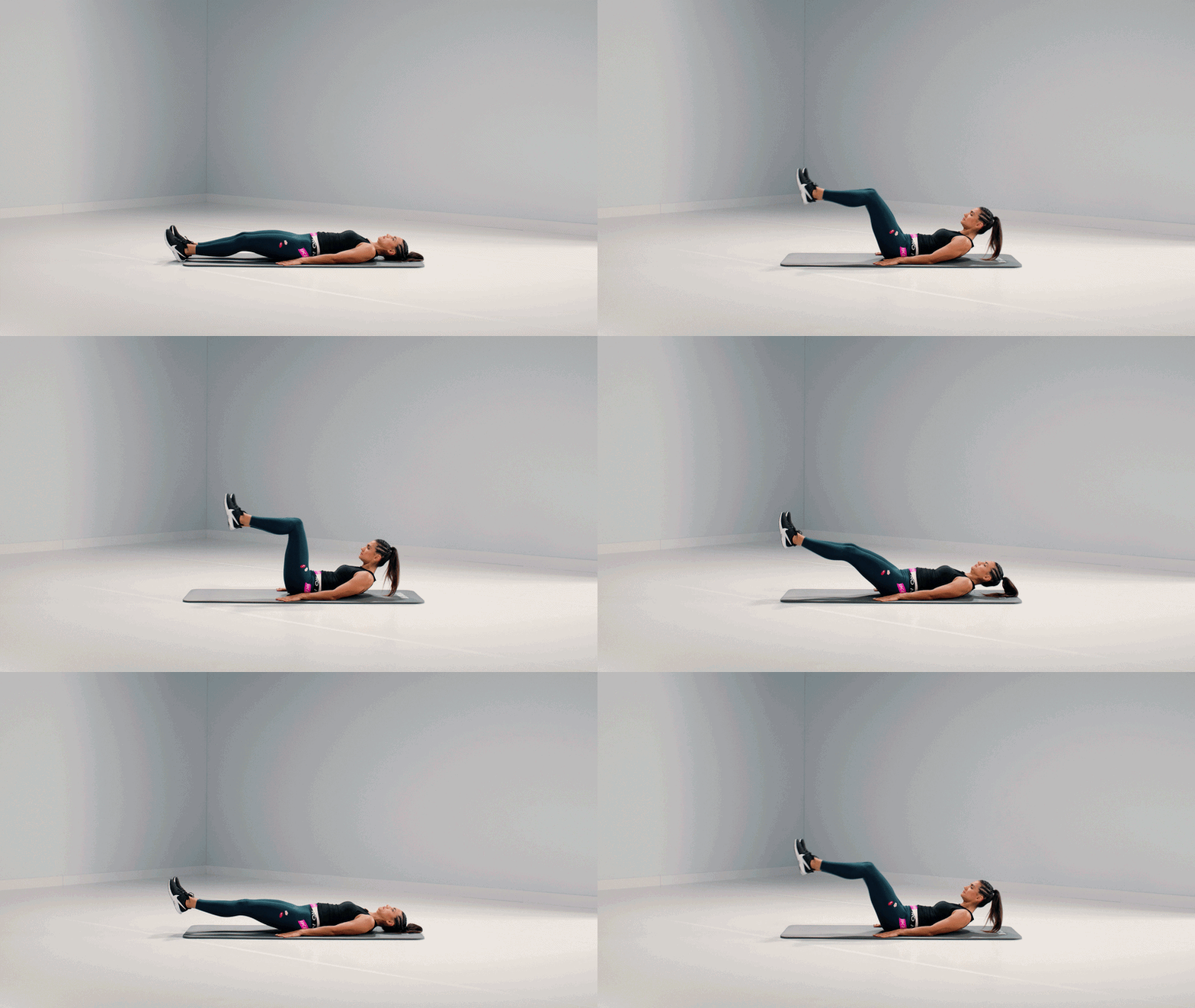
Hanging or lying leg raises
What it targets: Lower portion of the rectus abdominis and hip flexors.
How to do it:
- Lie on your back with your legs straight.
- Slowly raise your legs until they're roughly vertical.
- Lower them back down under control.
Trainer tip: If your lower back lifts off the floor, reduce the range of motion. This means you should not lower your legs as far down, so your lower back can stay in contact with the floor and your core remains properly engaged.
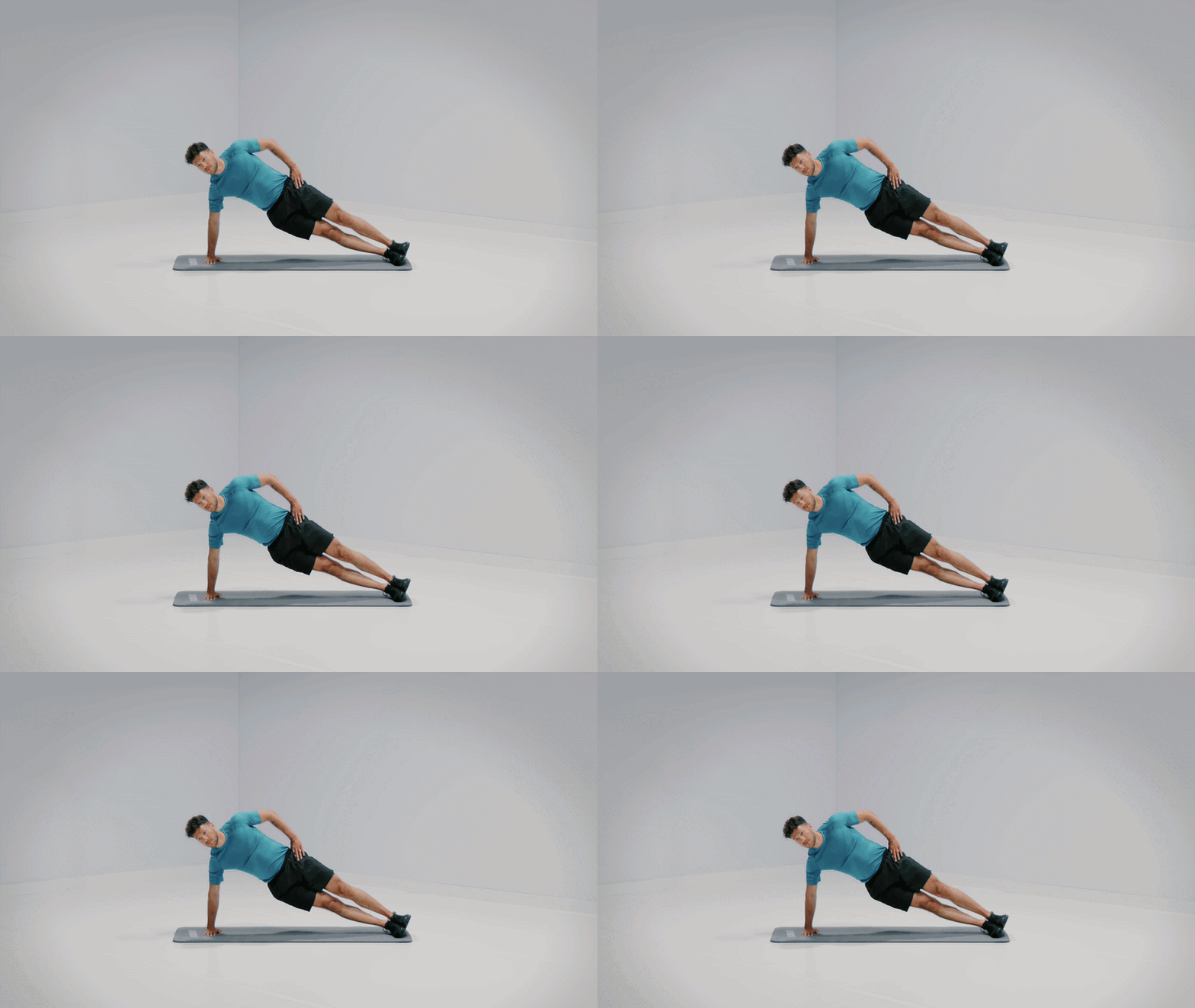
Side plank
What it targets: Obliques and core stability.
How to do it:
- Lie on one side with your elbow directly under your shoulder.
- Lift your hips until your body forms a straight line.
- Hold before switching sides.
Trainer tip: Keep your hips stacked instead of letting them rotate.
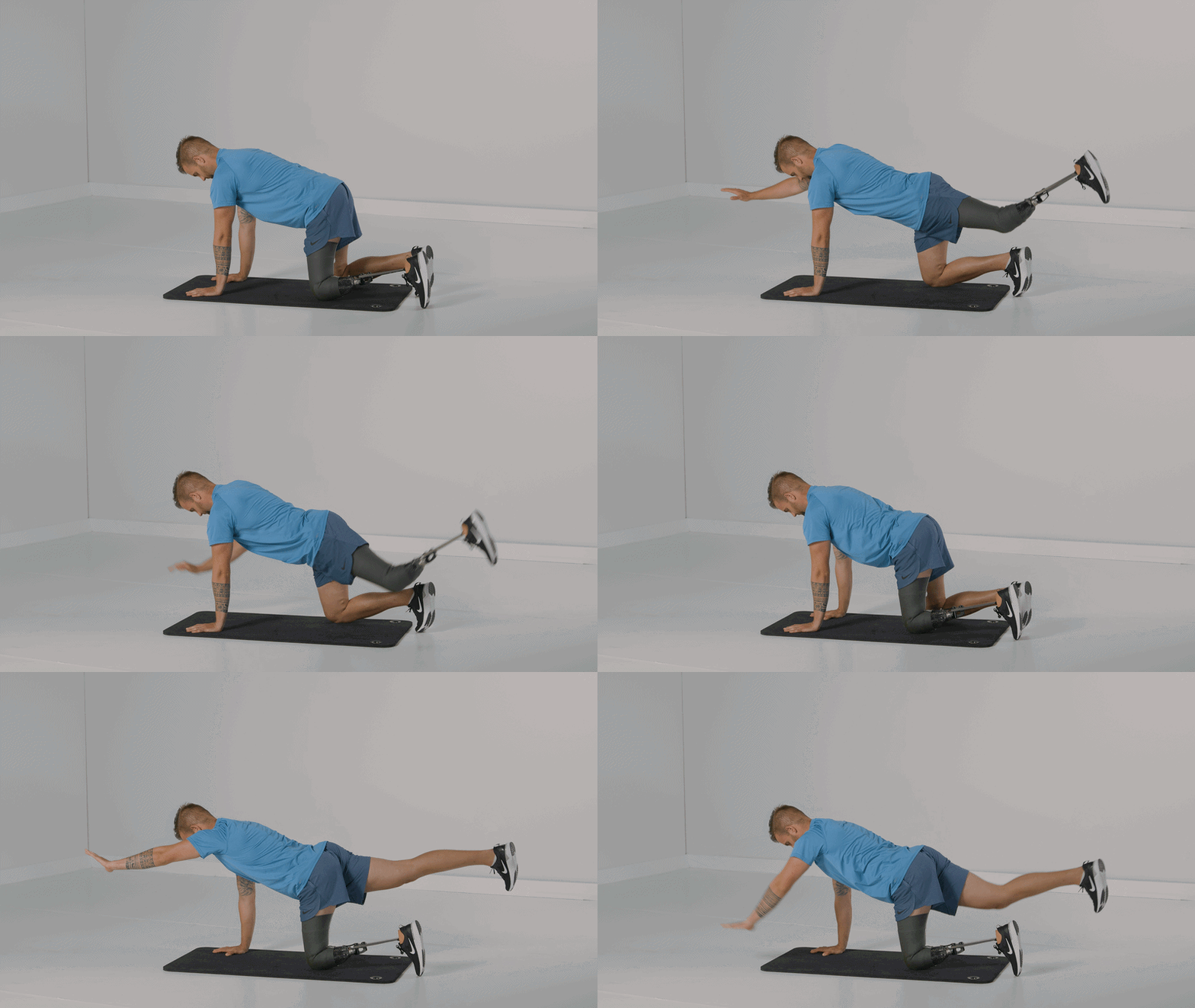
Bird dog
What it targets: Core stability and lower back.
How to do it:
- Start on your hands and knees.
- Extend one arm and the opposite leg.
- Pause briefly before returning.
- Repeat on the other side.
Trainer tip: Imagine balancing a glass of water on your back to stay stable.
A simple core workout to get started
You don't need a long workout to strengthen your core. In fact, 10 to 15 minutes for two to three times a week is usually enough.
Here are two simple options:
After a leg workout
- Plank – 3 × 30–45 seconds
- Leg raises – 3 × 10–12 reps
- Side plank – 2 × 30 seconds each side
After an upper body workout
- Dead bug – 3 × 10 reps per side
- Bicycle crunch – 3 × 12–15 reps
- Bird dog – 2 × 10 reps per side
You can also perform these exercises as a short standalone workout if that fits your schedule better.
If you'd rather follow a guided workout, you'll find core workouts for different fitness levels in the Basic-Fit app.
What a strong core helps with
A stronger core isn't just about how your stomach looks. It helps you in almost every movement you make.
A strong core can help you:
- Improve your balance and stability
- Lift weights with better control
- Help you feel stronger and more stable when you run, jump or lift
- Support your posture during daily activities
- Reduce unnecessary strain on your lower back
As a trainer, I've noticed that many beginners think core exercises are just crunches or something you only do at the end of a workout. Then they start doing squats or deadlifts and realise how much their core is actually involved. Once they learn to brace their core properly, those exercises often feel much more stable and controlled.
How often should you train your core?
For most people, training your core two or three times per week is enough. Like every other muscle group, your core also needs time to recover. More isn't always better.
I've worked with people who finished every gym session with 30 minutes of random ab exercises because they thought that would speed up results. Usually, they were just repeating the same movements while getting very little extra benefit.
A shorter, structured routine done consistently is much more effective than doing endless sets of crunches.
Can you get visible abs from these exercises?
These exercises will help you build a stronger core. Whether your abs become visible is a different question.
Visible abs depend largely on your overall body fat percentage, which is influenced by your nutrition, daily activity, training and genetics. That means you can’t lose fat from just one area by training it.
If your goal is visible abs, combine consistent core training with a balanced nutrition plan and regular strength training.
Common mistakes when training abs
There are a few mistakes I see regularly in the gym.
Only doing crunches
Crunches aren't bad, but they shouldn't be your only exercise. Include movements that train stability and rotation too.
Training too fast
Slow, controlled repetitions help your core work much harder than rushing through the movement.
Holding your breath
Keep breathing throughout each exercise instead of bracing so hard that you stop breathing completely.
Thinking more is always better
You don't need to train your abs every day. Focus on quality rather than quantity.
Expecting fast results
Building a stronger core takes time, just like building strength anywhere else in your body.
Final thoughts
A stronger core is about much more than visible abs. It helps you move better, lift with more control, improve your balance and feel stronger during everyday activities.
Start with the simple workout in this article, train your core two or three times each week, and focus on performing each movement with control.
Small, consistent sessions will always take you further than chasing the latest ab workout trend.
The best core routine is the one you can stick with. Start with these exercises during your next workout, keep showing up, and if you're looking for more guidance, explore the workouts in the Basic-Fit app.
This article is for general information only. Individual needs can vary depending on health status, training experience, and personal goals. If you have a medical condition or specific health concerns, consider seeking advice from a qualified healthcare professional.


