

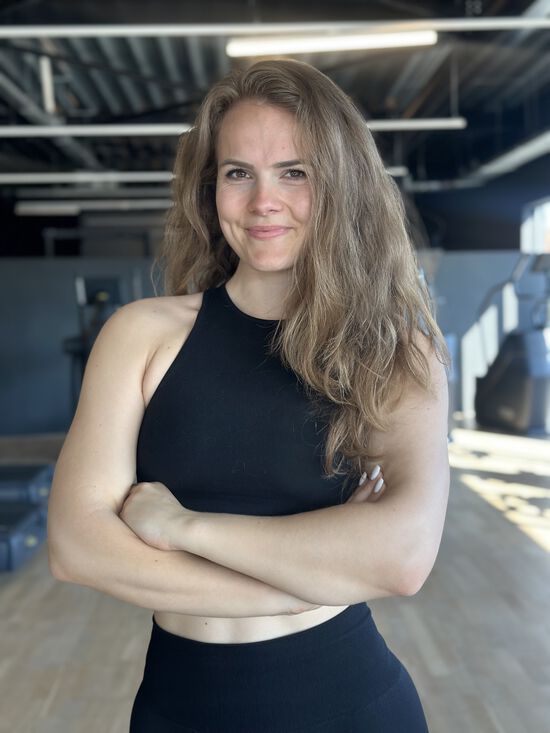

Walking into the free weights area for the first time can feel intimidating. As if everyone knows exactly what they’re doing except you. You might feel like people are watching, or that you’re somehow “in the way”.
As a Personal Trainer, I see a lot of beginners who avoid the free weights section because of this. They stick to machines or cardio because it feels safer.
The good news is: you don’t need to know everything to get started. You just need a simple plan and a few basic exercises. I’ll show you how to get started so you can walk in and actually know what to do.
What are free weights (and why they’re worth it)
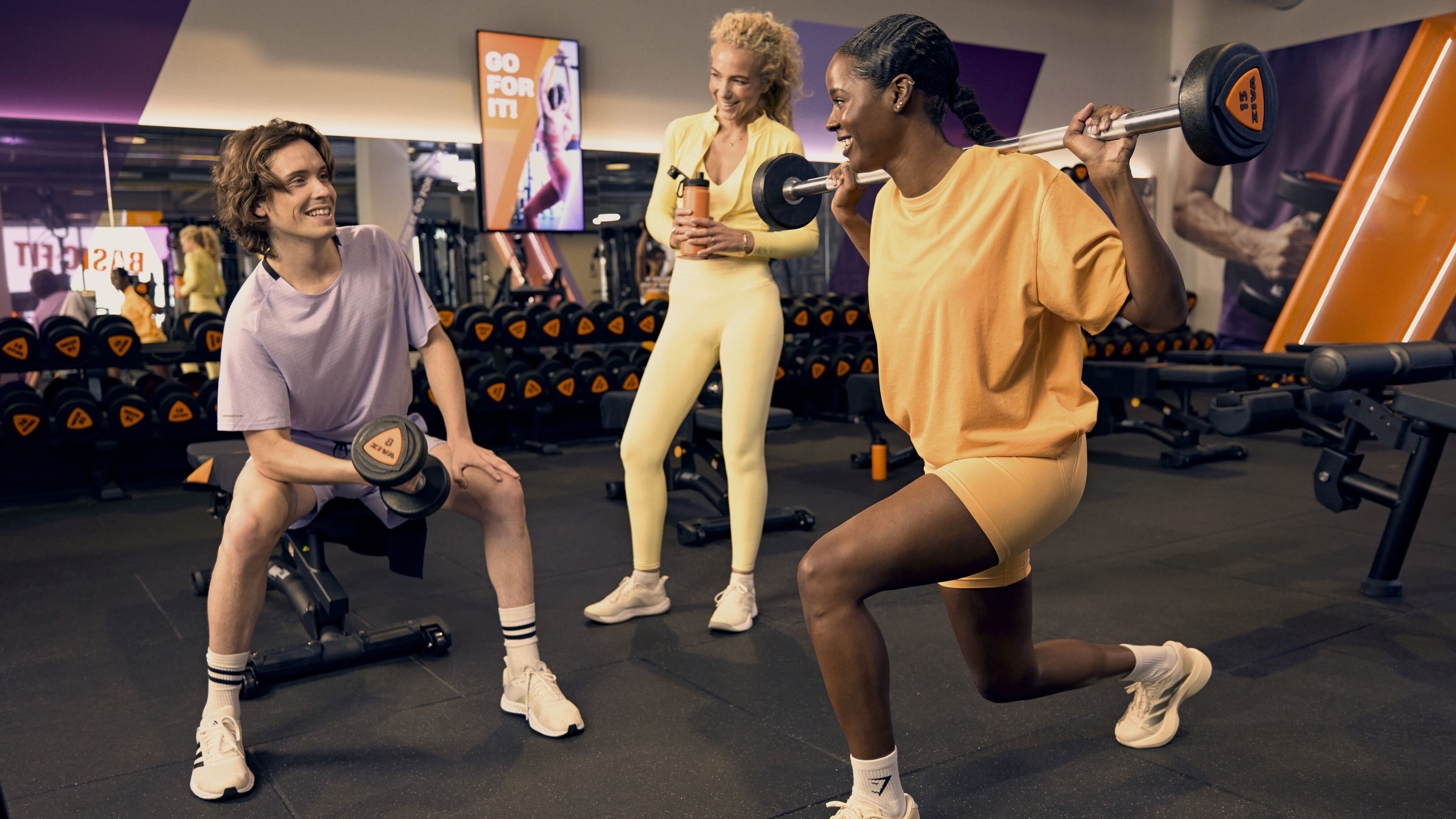
Free weights are weights you control yourself, like dumbbells, barbells and weight plates.
Instead of a machine guiding your movement, your body does the work. It might feel harder at first. And that’s exactly why it works.
They help you:
- Train multiple muscles at once
- Improve coordination and balance
- Build strength that carries over to daily life
- The movement feels more natural
You don’t need to replace machines completely. But adding free weights into your routine can make your training feel more balanced, because you learn to control the movement instead of relying on a machine. Over time, this helps you feel stronger and more confident in and outside of the gym.
For example, I once worked with a 64-year-old client who avoided the free weights area completely. The first time we used light dumbbells, she was convinced she was doing everything wrong. After one session, she already felt more in control. A few months later, she was able to lift her grandchild for the first time in years.
Why the free weights area can feel intimidating
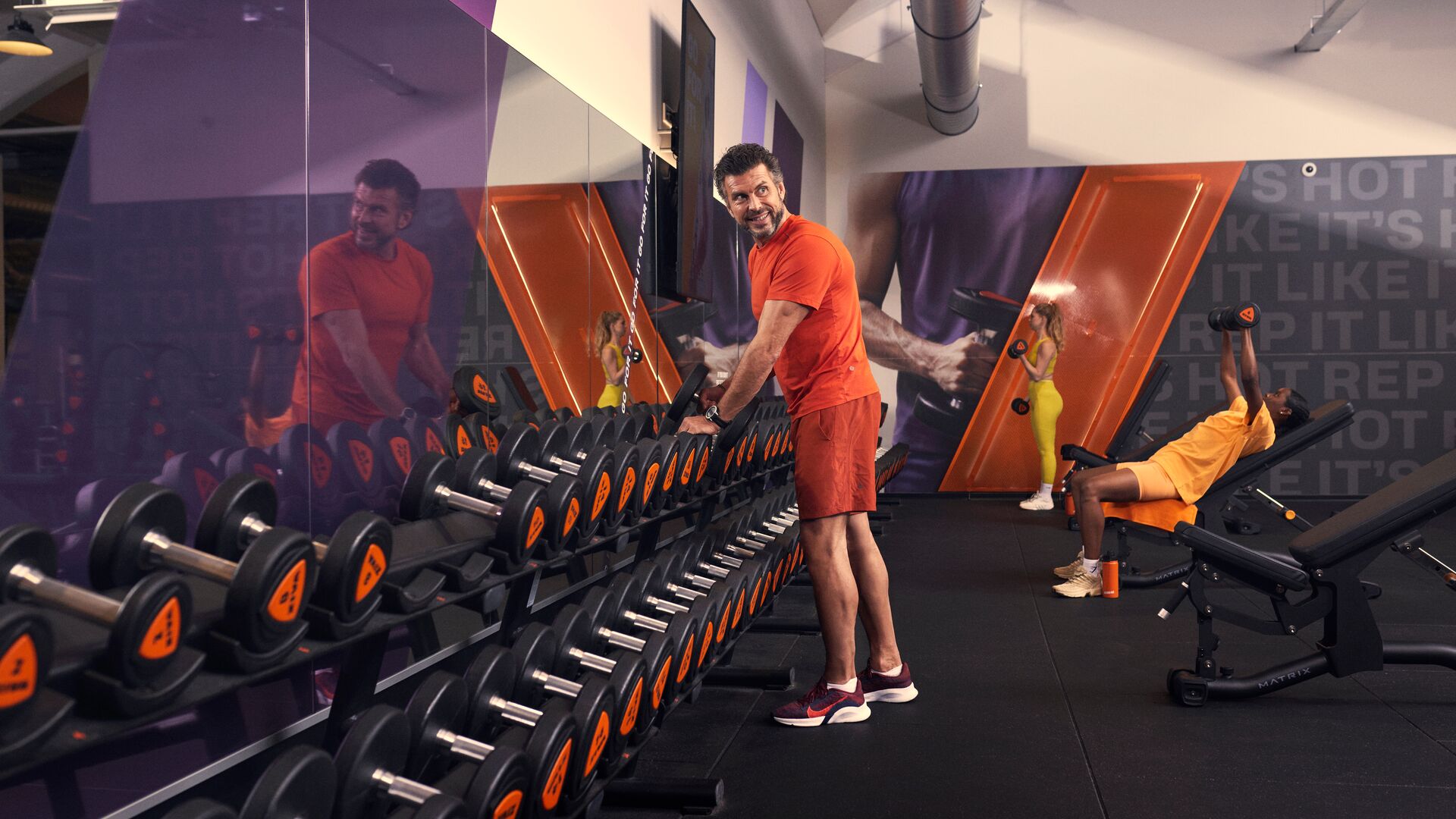
The free weights area often feels intimidating because there is less guidance and more uncertainty than using machines.
If you’ve ever walked past the free weights area and thought “maybe next time”, you’re not alone. There are a few common reasons why it feels uncomfortable:
You don’t know what to do
Without a machine showing you exactly how to move, it can feel like you’re guessing.
The equipment looks unfamiliar
Different weights, benches, bars… it can feel like a completely different world.
You feel watched or judged
The fear of being watched or judged by your fellow gym-goers is something I hear a lot. You might feel like people are paying attention to what you’re doing, or that you don’t belong there yet.
The truth is, most people are focused on their own workout. They’re thinking about their next set, their music, or just getting through their session.
And don’t forget that everyone you see in that area started as a beginner too.
How to get started with free weights
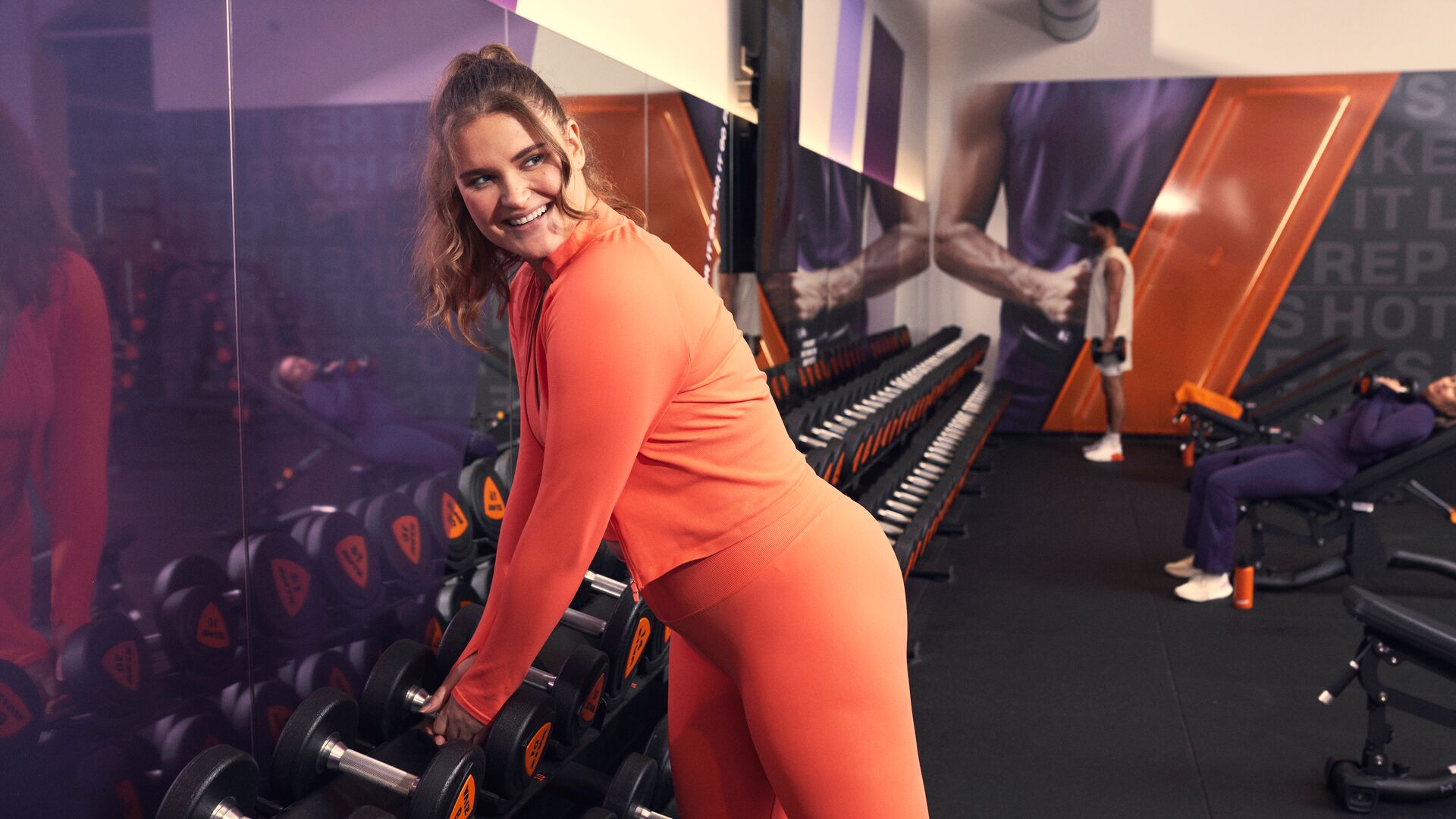
You don’t need a complicated program to begin. In fact, the simpler you keep it, the better. Whenever I have a new client who is unfamiliar with using free weights, I have them start with this approach:
- Pick 3-4 basic exercises
- Choose a light weight (lighter than you think)
- Focus on learning the movement first
- Take your time between sets
Your goal in the beginning is not to train as hard as possible. It’s to get comfortable with the movements and the environment.
It might feel a bit awkward the first few times. Don’t worry, that’s part of the process. The more often you do it, the more normal it starts to feel.
Beginner free weight exercises to try
You don’t need dozens of exercises. Just a few solid basics are enough to get started.
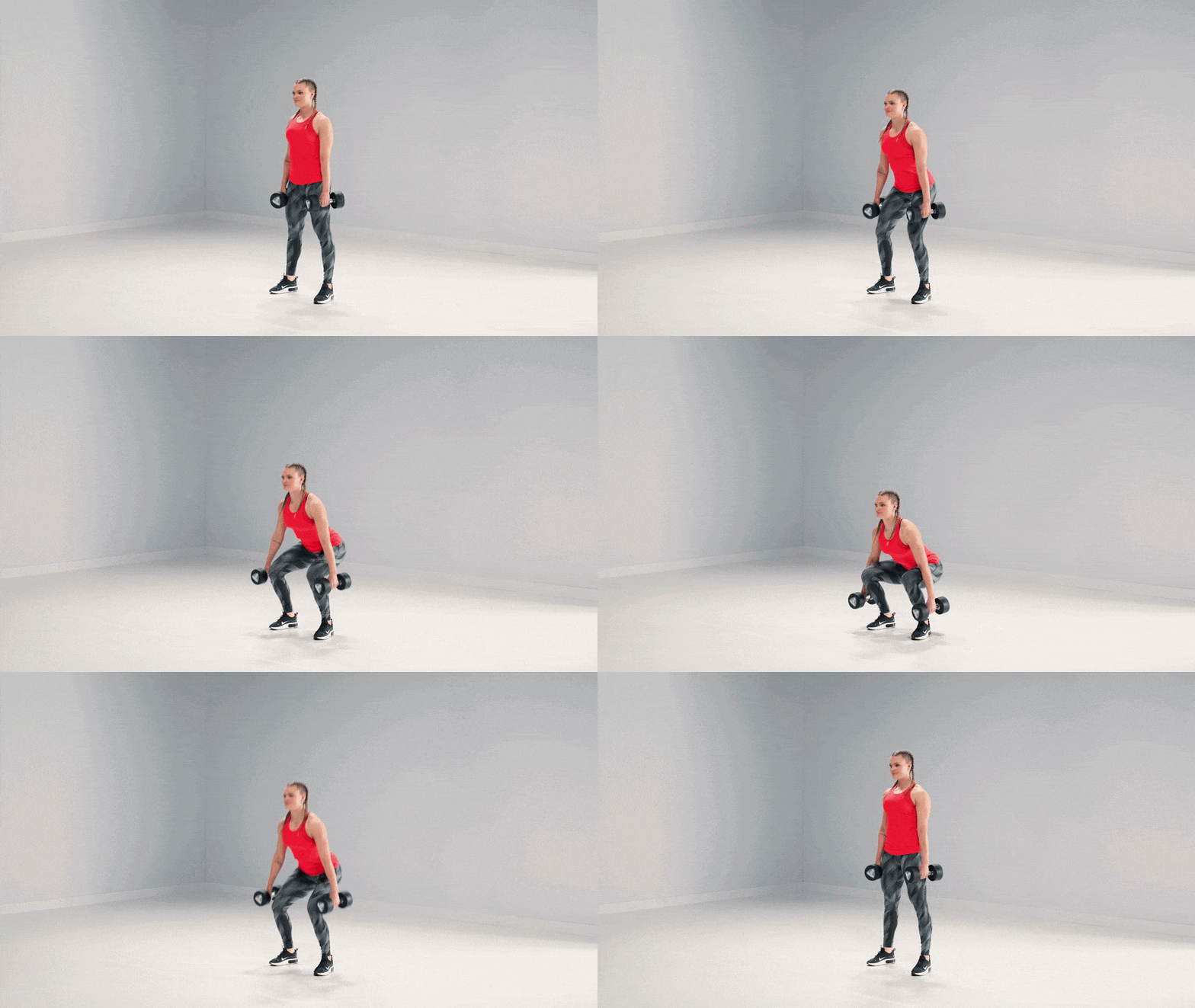
Dumbbell squat
Works: legs and glutes
How to do it:
- Hold a dumbbell in each hand by your sides.
- Stand with your feet shoulder-width apart.
- Bend your knees and lower your hips down.
- Push back up to standing.
Trainer's tip: Think “sit down” instead of “bend forward”.
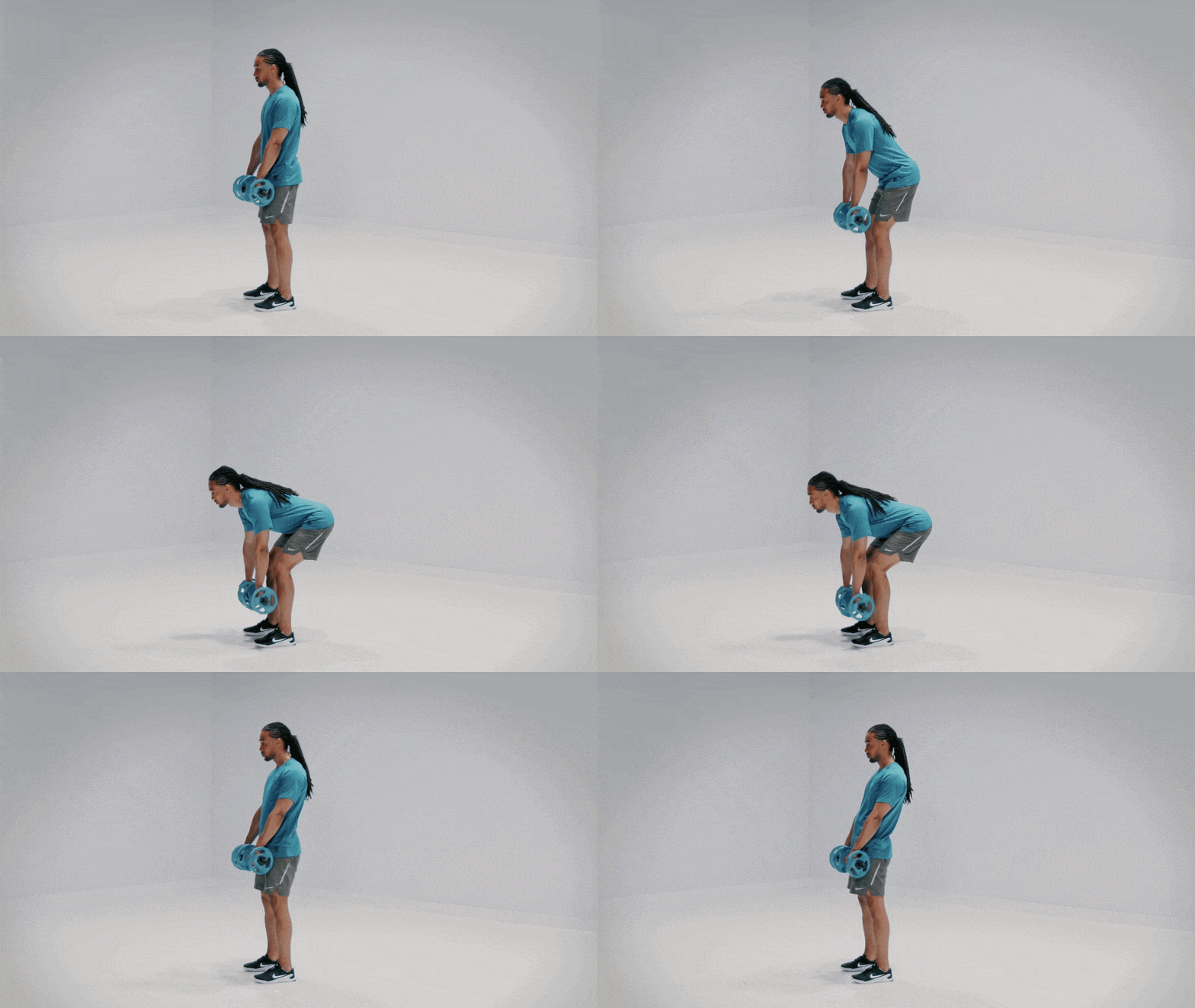
Dumbbell deadlift
Works: glutes and hamstrings
How to do it:
- Hold dumbbells in front of your legs.
- Push your hips back while keeping your back straight.
- Return to standing.
Trainer's tip: Pretend as if you are “shaving” the front of your legs with your dumbbells.
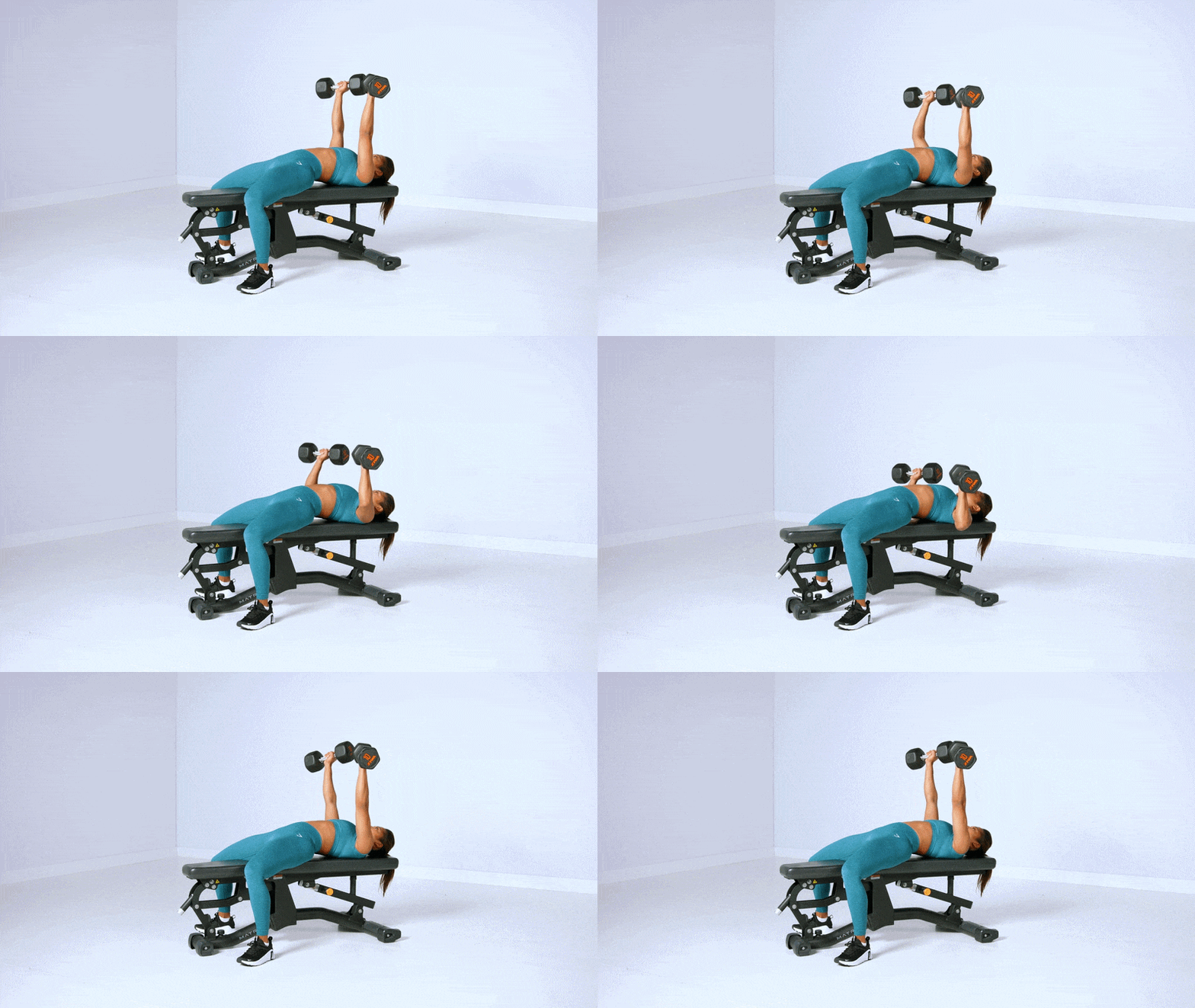
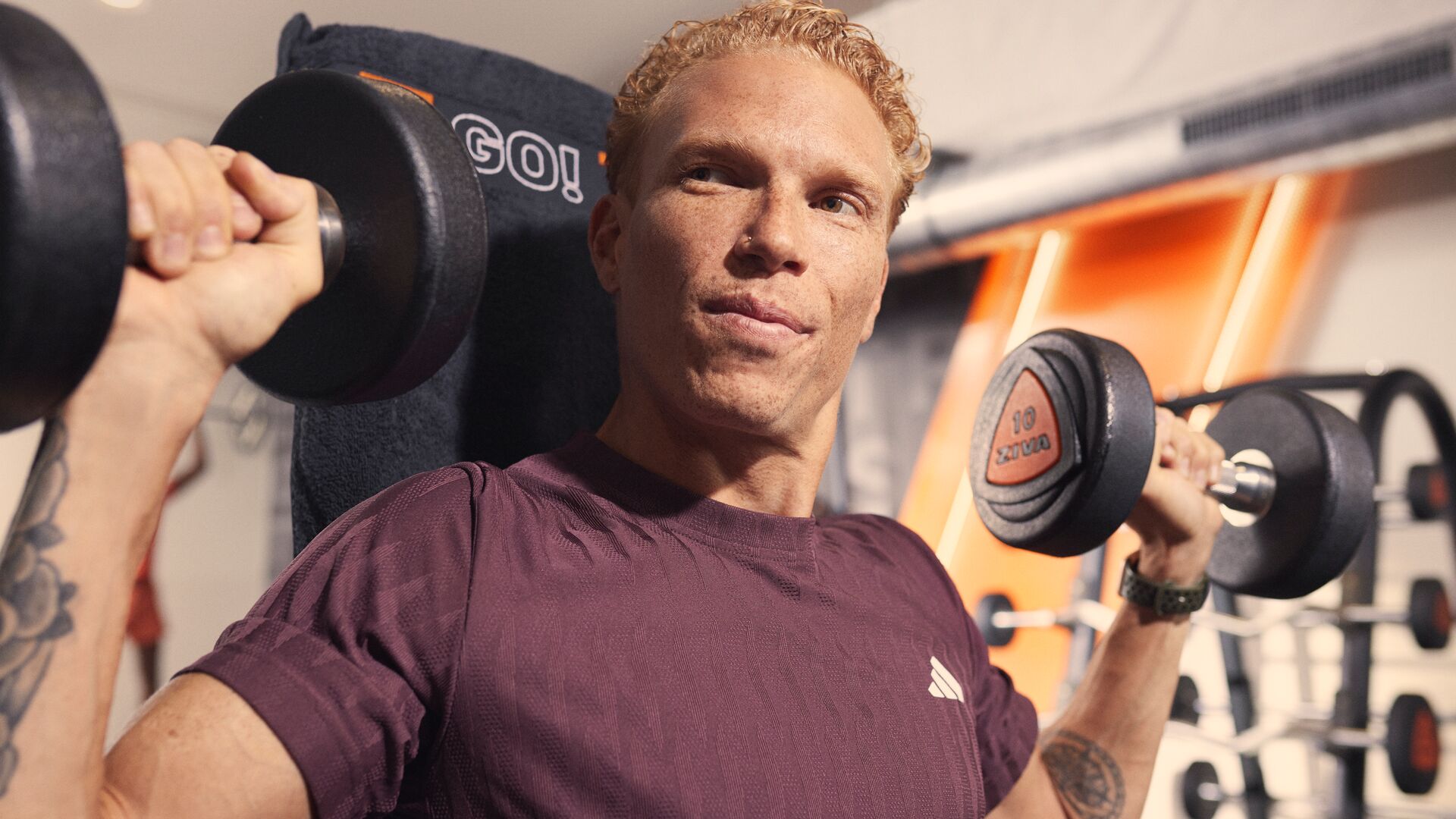
Dumbbell press (bench or floor)
Works: chest, shoulders, arms
How to do it:
- Lie on a bench or the floor with dumbbells in your hands.
- Press them up above your chest.
- Slowly lower them back down.
Trainer's tip: Move in control: don’t let the weights drop too quickly.
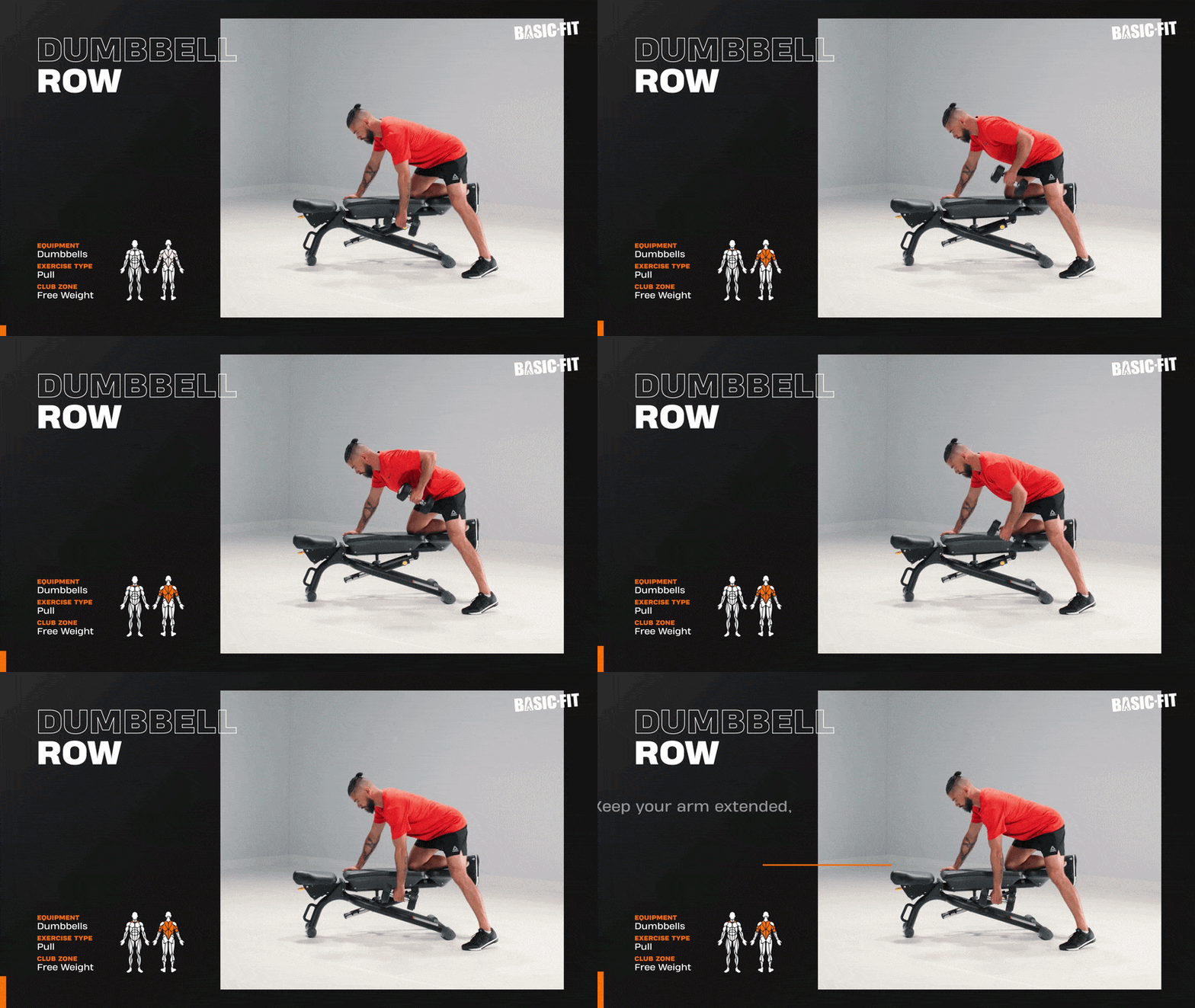
Dumbbell row
Works: back and arms
How to do it:
- Place one hand on a bench for support and hold a dumbbell in the other hand.
- Pull the weight towards your body.
- Lower it back down.
Trainer's tip: Think about pulling your elbow back, not just your hand.
Try this for your first session:
- Dumbbell squat – 10 reps
- Dumbbell press – 10 reps
- Dumbbell row – 10 reps
- Rest 60–90 seconds
- Repeat 2–3 times
Common free weights mistakes (and how to avoid them)
When you’re new, it’s easy to overthink or copy others without really understanding it.
Here are a few common mistakes I have noticed:
Going too heavy too soon
Heavier doesn’t mean better. Start light so you can learn the movement properly.
Rushing through exercises
Take your time. Slower, controlled reps are more effective and safer.
Copying others without context
Just because someone else is doing an exercise doesn’t mean it’s right for you. Stick to your simple plan.
Skipping rest
Rest is part of the workout. It helps you recover and perform better in your next set.
How to feel more confident in the free weights area
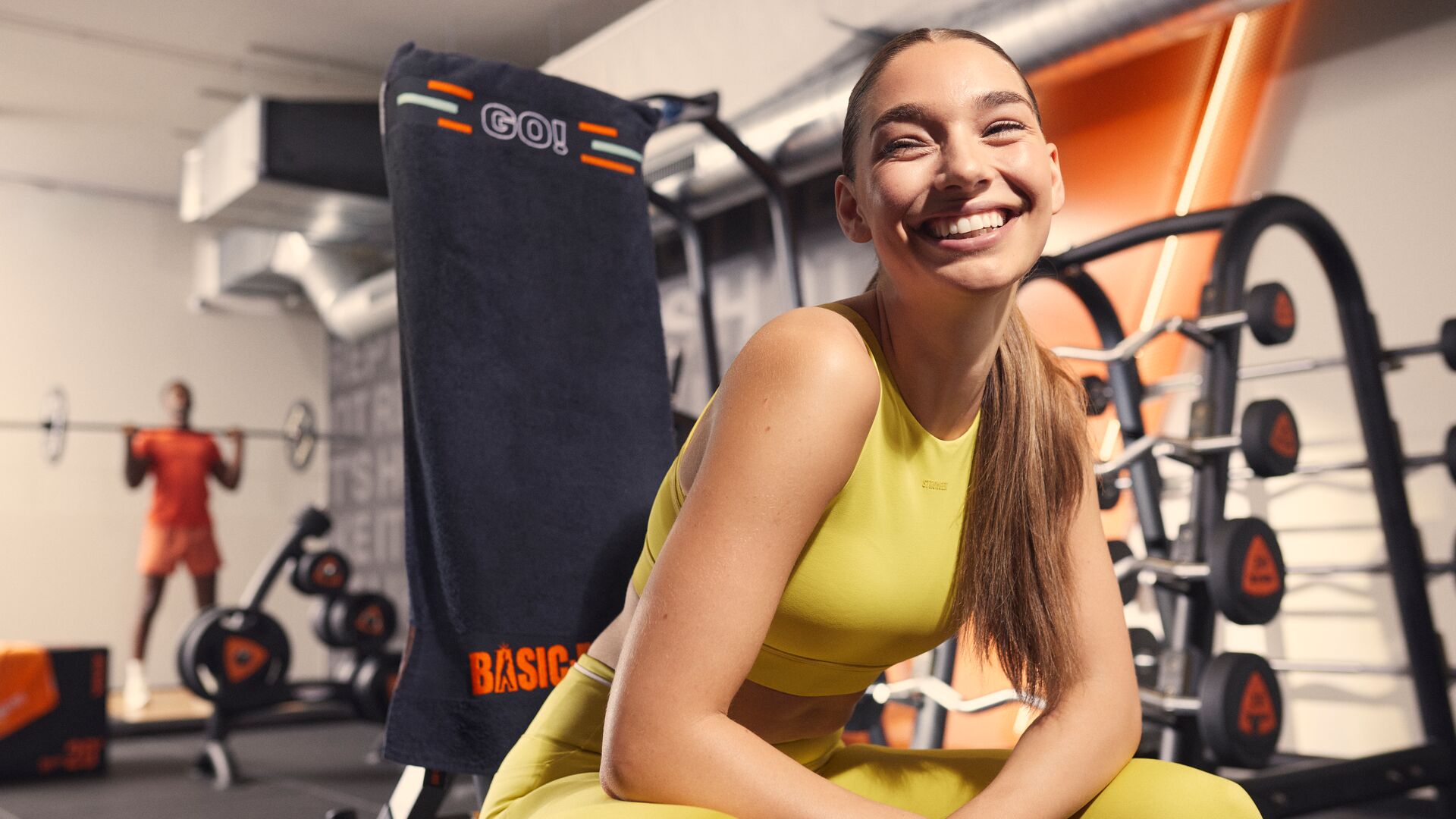
For most people, the hardest part isn’t the exercises themselves, it’s walking into a new space and feeling like you belong there.
A few small changes can make a big difference:
Go at quieter times
Late mornings or early afternoons are often less busy and feel less overwhelming. Peak hours (usually early evenings) tend to be busier.
Have a plan before you start
Knowing what exercises you’ll do removes a lot of uncertainty.
Start in a quieter corner
You don’t need to be in the middle of the room. Find a space where you feel comfortable.
Use an app or guidance
Selecting a simple workout in the Basic-Fit app in advance can help you stay focused. You can follow ready-made workouts, check how each exercise works, and move through your session step by step without second-guessing yourself.
Ask for help if you need it
A personal trainer can guide you through the basics and help you feel at ease, especially if you’re not sure where to begin.
But most importantly: give yourself time. Feeling out of place doesn’t mean you don’t belong. It just means you’re new, just like everyone else once was.
Final thoughts
Using free weights for the first time can feel intimidating, but it doesn’t have to stay that way.
You don’t need to know everything yet. And you definitely don’t need to feel “ready” before you start. Keep it simple and focus on a few basic exercises.
Remember that confidence comes from doing, not from waiting. Next time you’re in the gym, pick one exercise from this guide and try it. That’s enough to get started.
Trust me when I say that once you take that first step, the free weights area won’t feel like unfamiliar territory anymore. It’ll start to feel like part of your routine.
This article is for general information only. Individual needs can vary depending on health status, training experience, and personal goals. If you have a medical condition or specific health concerns, consider seeking advice from a qualified healthcare professional.


