

If you’ve ever searched for workout tips online, you’ve probably seen terms like push exercises, pull exercises, or even push/pull split.
But what does that actually mean?
Push and pull exercises are simple. They are two basic movement patterns your body uses during training (and in everyday life). Push exercises move weight away from your body. Pull exercises bring weight toward your body.
Once you understand the difference, it becomes much easier to structure your workouts, train your muscles more evenly, and stop overthinking whether you are “doing it right.”
In this blog, you’ll learn:
- what push and pull exercises are and which muscles they train
- why both are important
- whether one is better than the other
- and how to use both in a simple beginner workout
What are push and pull exercises?
Push and pull exercises describe the direction of the movement.
Push exercises
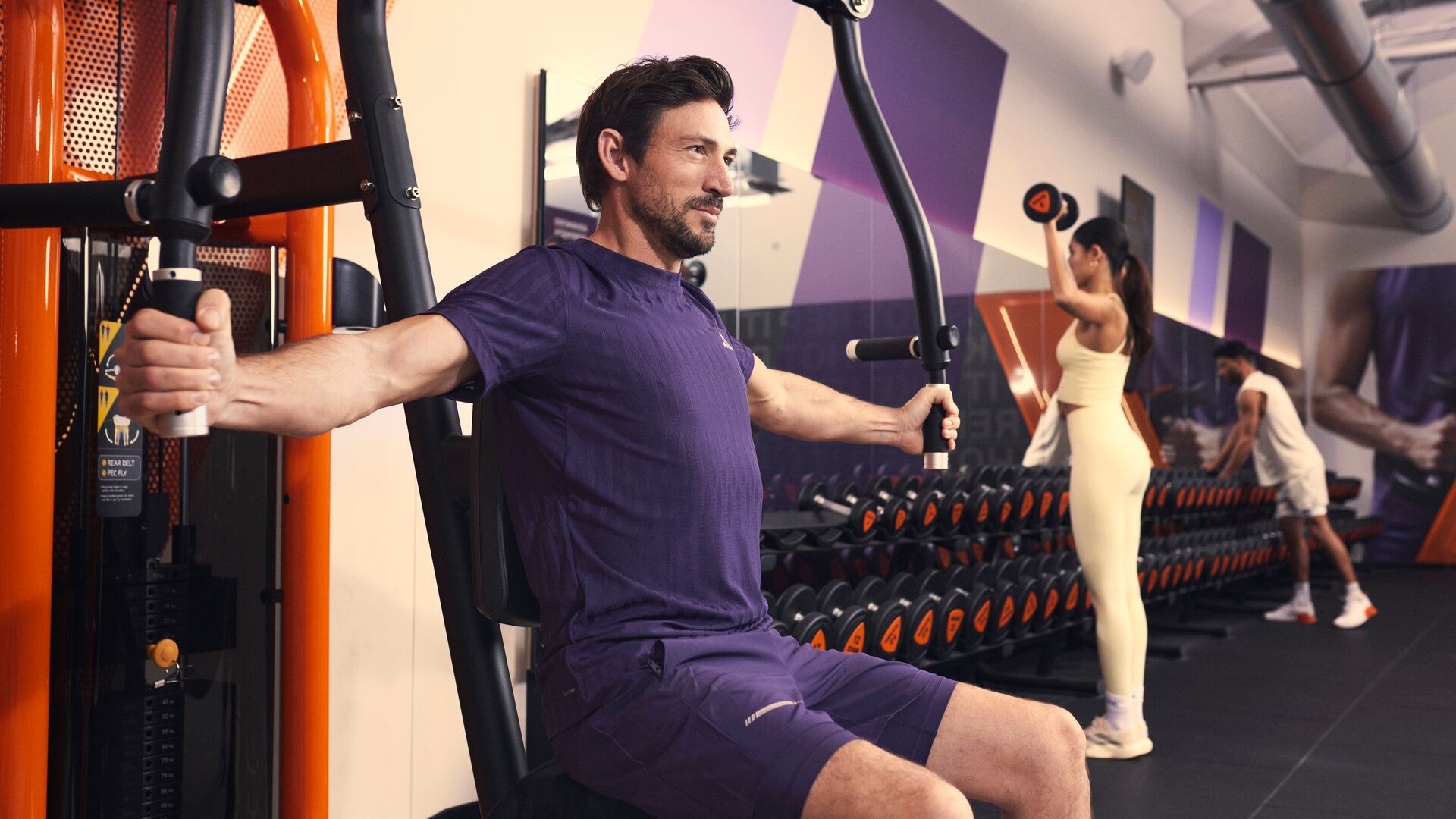
With push exercises, you push weight away from your body.
Push movements mainly train:
- chest
- shoulders
- triceps
Examples:
- chest press
- shoulder press
- push-up
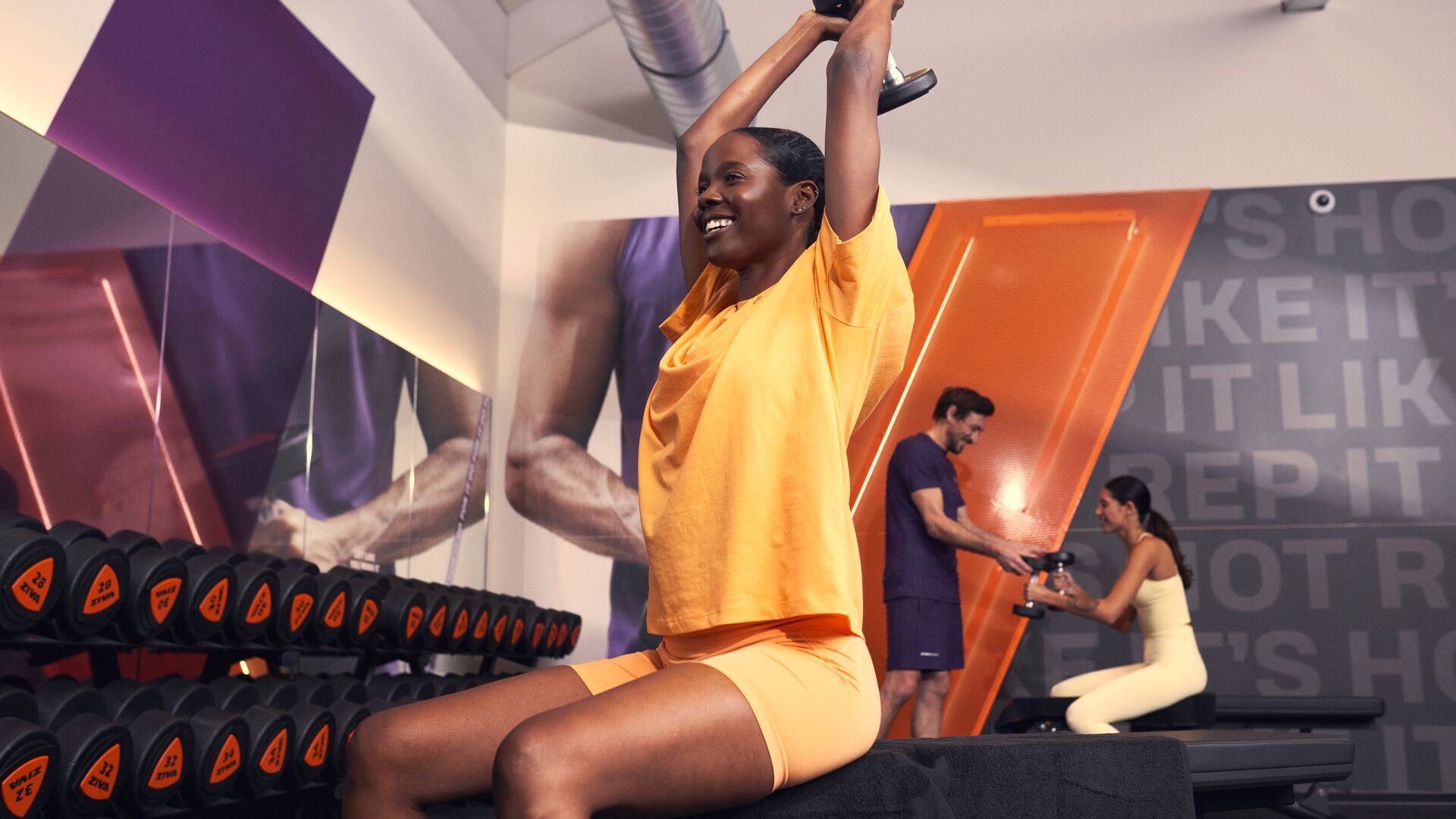
- triceps pressdown
Pull exercises
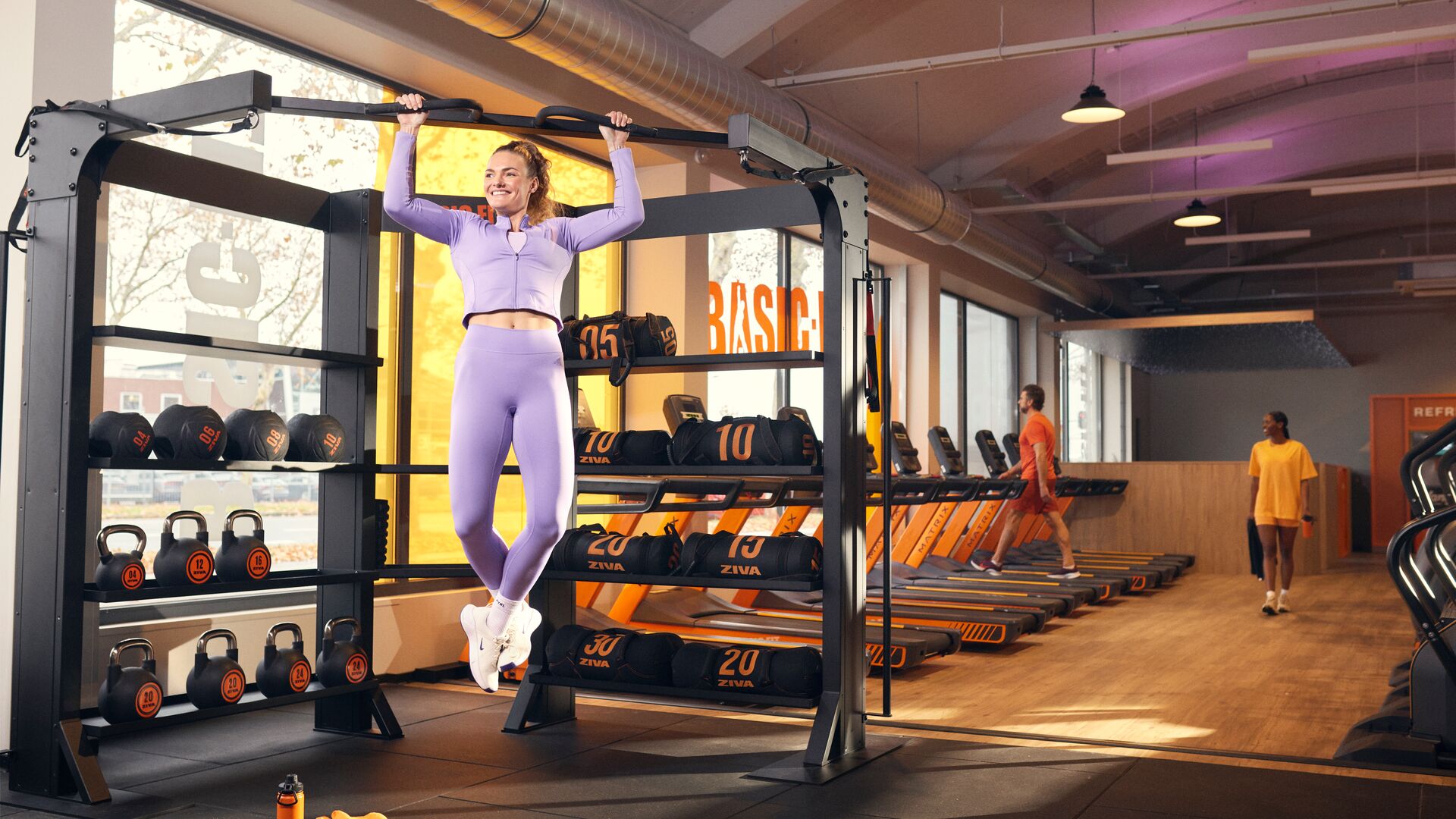
With pull exercises, you pull weight toward your body.
Pull movements mainly train:
- back
- biceps
- rear shoulders
Examples:
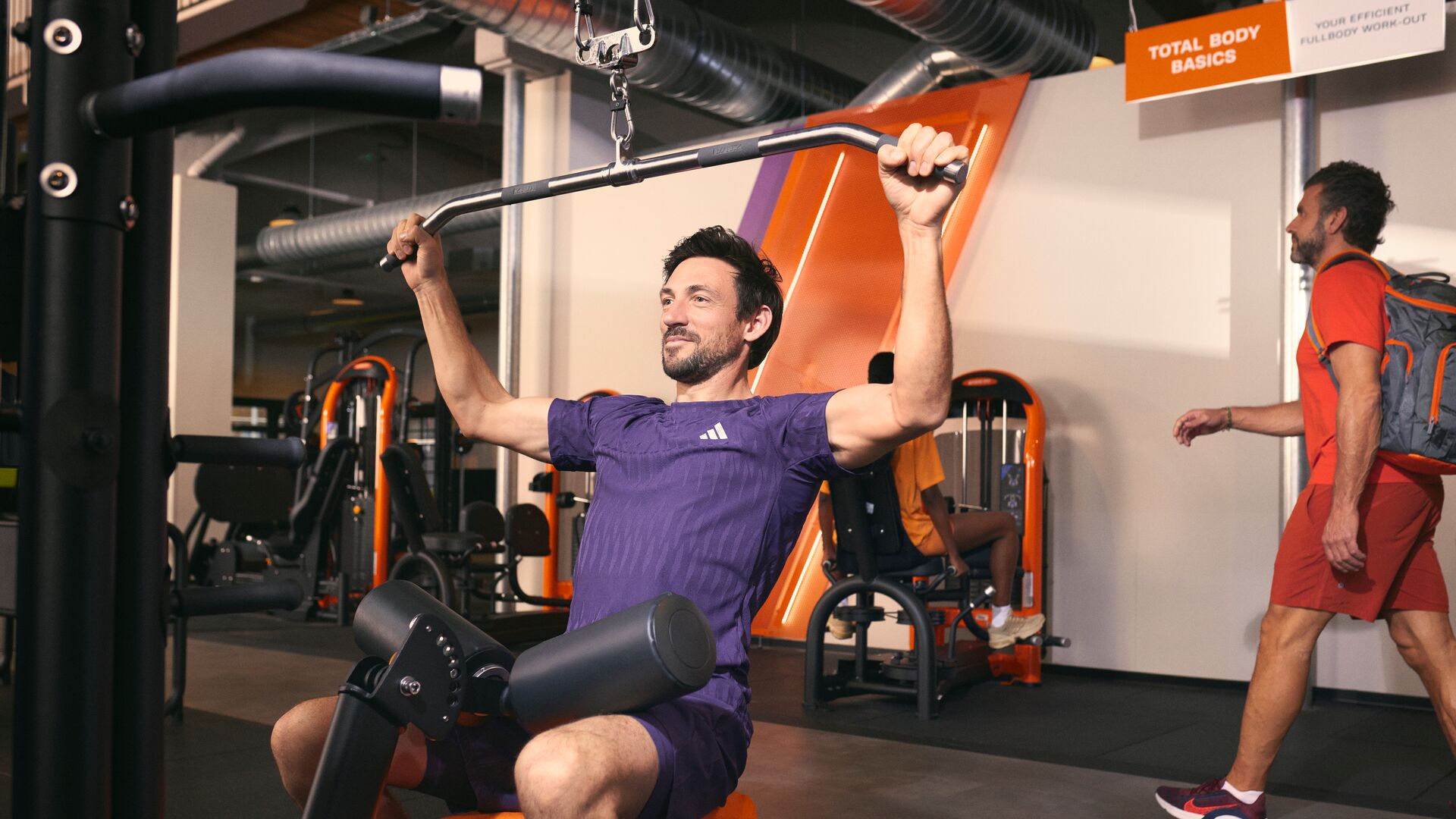
- lat pulldown
- seated row
- cable row
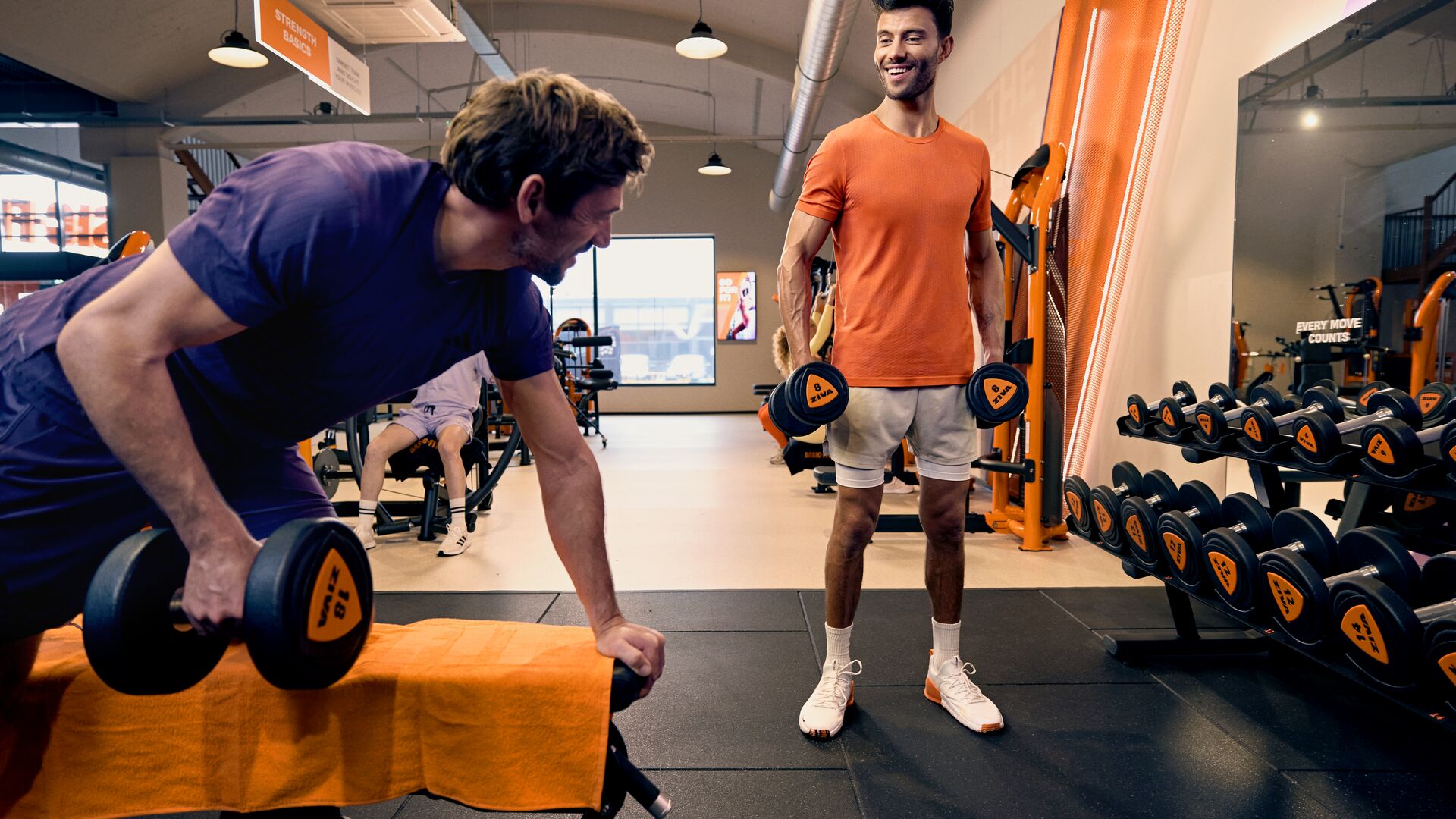
- dumbbell row
- biceps curl
Why is it important to train both push and pull exercises?
Your body works as one system. Push and pull muscles work together to create movement, control your joints, and keep your body stable.
If you train one side much more than the other, your workouts can become unbalanced over time.
For example, if you train your chest a lot but barely train your back, your shoulders may start to round forward, especially if you also sit behind a desk most of the day.
Training both push and pull exercises helps with:
- better posture
- stronger shoulders
- more balanced muscle development
- better control during exercises
- long-term strength progress
Are push or pull exercises better?
Both are equally important because they train different muscles. Push exercises help build strength in your chest, shoulders, and triceps. Pull exercises strengthen your back, biceps, and rear shoulders.
Most balanced workouts include both.
That’s why a good beginner workout usually includes at least:
- one push movement
- one pull movement
Should you do more pulling than pushing?
You may hear people say that you should do more pulling than pushing.
There can be a reason for that.
Many people spend a lot of time sitting, driving, or looking down at their phone. Over time, this can encourage a more forward-rounded posture. Pulling exercises help strengthen the back and rear shoulders, which may help improve balance in your training.
But as a beginner, you do not need to overcomplicate this. A simple starting point is:
for every push exercise, include at least one pull exercise.
For example:
- chest press + seated row
- shoulder press + lat pulldown
- push-up + cable row
How to include push and pull exercises in your workout
You do not need a complicated program to use push and pull exercises.
The easiest approach is to include both movement patterns in the same workout. If you prefer a bit more guidance, follow-along video workouts can also help you get familiar with different push and pull movements at your own pace.
Simple beginner structure
Start with:
- one push exercise
- one pull exercise
For example:
- chest press
- lat pulldown
That already gives your workout more balance. You can also use the Basic-Fit app to find beginner-friendly workouts that already combine push and pull exercises in a simple structure.
If you want to add more, choose another push or pull exercise from a different angle.
For example:
- chest press = pushing forward
- shoulder press = pushing upward
- lat pulldown = pulling from above
- seated row = pulling toward your body
Example beginner workout
Chest press (push exercise)
2–3 sets of 8–12 reps
Lat pulldown (pull exercise)
2–3 sets of 8–12 reps
Shoulder press (Push exercise)
2–3 sets of 8–12 reps
Seated row (Pull exercise)
2–3 sets of 8–12 reps
This gives you:
- two push exercises
- two pull exercises
- a simple structure
Trainer's tip: add a leg press, leg curl, and ab crunch if you want to turn this into a full body workout.
Do you need a push/pull split as a beginner?
No, you do not need a push/pull split as a beginner. A push/pull split means you train push exercises on one day and pull exercises on another day.
For example:
- Day 1: Push
- Day 2: Pull
- Day 3: Legs
This can be useful when you train more often and want to give certain muscle groups extra focus.
But for most beginners, a simple full body or upper/lower routine works very well. If you want to learn how to structure your training week step by step, it can help to start with a simple workout plan that matches your schedule and experience level.
For example:
- full body workouts 2–3 times per week
- upper/lower split 4 times per week
Common beginner mistakes with push and pull exercises
1. Only training the exercises you like
Most people prefer the exercises they already feel comfortable with.
But if you only do what feels easy, some muscles may get less attention over time.
A balanced routine includes both push and pull exercises.
2. Doing too many exercises
More exercises do not automatically improve your results.
As a beginner, you will usually get more out of a few well-executed exercises than a long workout full of random movements.
Start simple.
3. Changing workouts too often
If you change your workout every session, it becomes difficult to track progress.
Use the same basic exercises for a while and focus on getting stronger and more confident with them.
4. Ignoring technique
Good technique helps you train the right muscles and move with more control.
Do not only focus on moving the weight. Focus on stability, control, and good movement quality.
If certain exercises still feel uncomfortable or confusing, working with a personal trainer can help you improve your technique and feel more confident in the gym.
Final thoughts
Push and pull exercises are a simple way to bring more structure into your training.
Push exercises train muscles like your chest, shoulders, and triceps. Pull exercises train muscles like your back, biceps, and rear shoulders.
Most effective beginner workouts include both movement patterns.
As a beginner, you do not need a complicated push/pull split. You can simply include both movement patterns in your full body workouts and build from there.
Next time you are in the gym, ask yourself:
“Did I include at least one push exercise and one pull exercise today?”
If the answer is yes, you are already building a more balanced workout routine.
This article is for informational purposes only and does not replace professional advice. Individual needs may vary depending on your health and experience level. Consult a professional if you have specific questions.


