

Losing weight can feel overwhelming. With so many diets, programs, and “fast results plans” around, it’s hard to know what's the best option for you. The truth is, there is no single standard program. Every body is different, and what works for someone else might not fit your lifestyle or goals.
The good news is that you can build your own plan that helps you lose weight in a healthy, sustainable way, without strict rules or unrealistic deadlines. In this guide, we’ll show you simple steps to move, eat, and live in a way that helps you reach your goal and enjoy the process.
What’s the best way to lose weight safely?
It’s easy to think faster means better. But when it comes to weight loss, speed often works against you. Rapid weight loss can slow your metabolism, increase fatigue, and make it harder to maintain your results later.
The best way to lose weight safely is to focus on habits you can keep up over time. A healthy routine balances three things: regular exercise, nutritious food, and proper recovery. These work together to help you burn fat while keeping your energy and mood steady.
If you’re not sure where to start, here’s how to create a plan that fits your lifestyle, and helps you keep get closer to your goals.
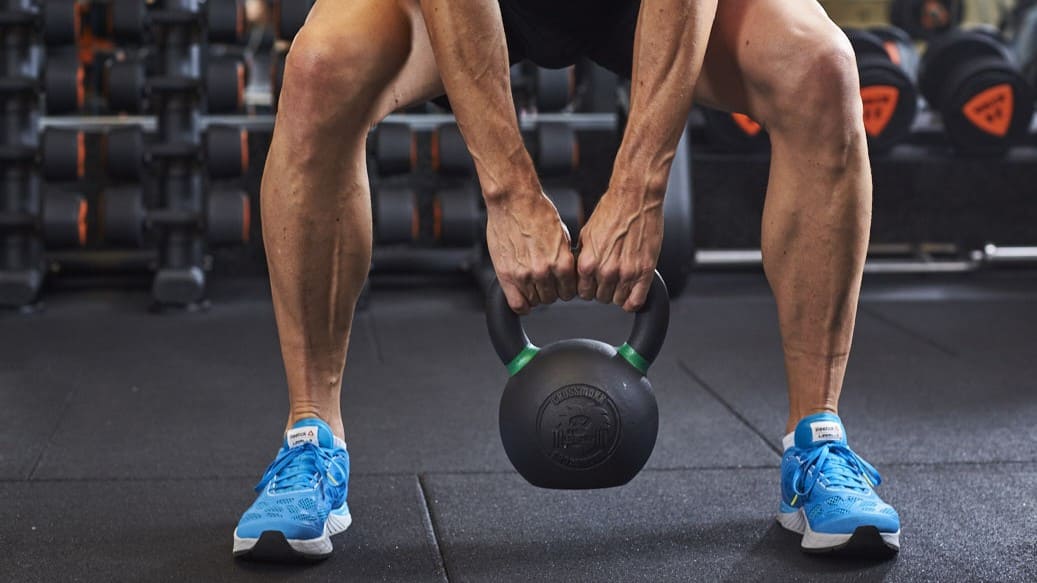
How to train for weight loss
Moving more is one of the most effective ways to support weight loss. Not just because of calories burned, but because exercise protects your muscles, supports your metabolism, and boosts your mood.
You don’t need to train every day or follow a strict plan. The best weight loss workout plan is one that fits into your schedule and feels doable.
Combine strength and cardio
Strength training and cardio each play a different role in weight loss, and combining them makes your workouts more effective overall.
Strength training helps you build and maintain muscle while losing fat. The more muscle you have, the more energy your body burns even when you’re resting. Aim for 2–3 strength sessions per week.
Cardio helps your heart, lungs, and stamina. Try activities like brisk walking, cycling, dancing, or using the cardio machines at the gym. Start at a steady pace, and once you feel comfortable, add short bursts of higher intensity.
Example of a weekly workout plan for weight loss:
| Day | Workout focus | Example session |
|---|---|---|
| Monday | Strength | Full-body workout (machines or free weights, 45 min) |
| Tuesday | Cardio | Brisk walk, jog, or cycle – 30 to 45 min |
| Wednesday | Active rest | Stretching or yoga – 20 min |
| Thursday | Strength | Lower body workout – 45 min |
| Friday | Cardio | HIIT or dance class – 30 min |
| Saturday | Strength | Upper body workout – 45 min |
| Sunday | Rest | Light walk or mobility session – optional |
If you’re new to training or have a health condition, adjust the number of sessions and duration to your own level. The goal is to stay consistent over time.
What to eat to lose weight in a healthy way
There’s no magic food or one-size-fits-all diet. But some simple eating habits can help you lose weight while keeping your energy up. The goal is to eat meals that keep you full, fuel your workouts, and support recovery.

Focus on whole foods
When you're trying to lose weight, quality matters as much as quantity. Eating whole foods like vegetables, grains, and proteins helps you stay full, fuel your body, and naturally manage your portions without feeling restricted
Start simple with the Plate Method:
- Fill half your plate with vegetables or salad
- Reserve one quarter for a source of protein (like chicken, tofu, eggs, or beans)
- Use the remaining quarter for healthy carbs (like brown rice, oats, or wholegrain bread)
- Add a small portion of healthy fat (like olive oil, avocado, or nuts)
- This approach helps you stay full, manage portions naturally, and keep your energy stable throughout the day.
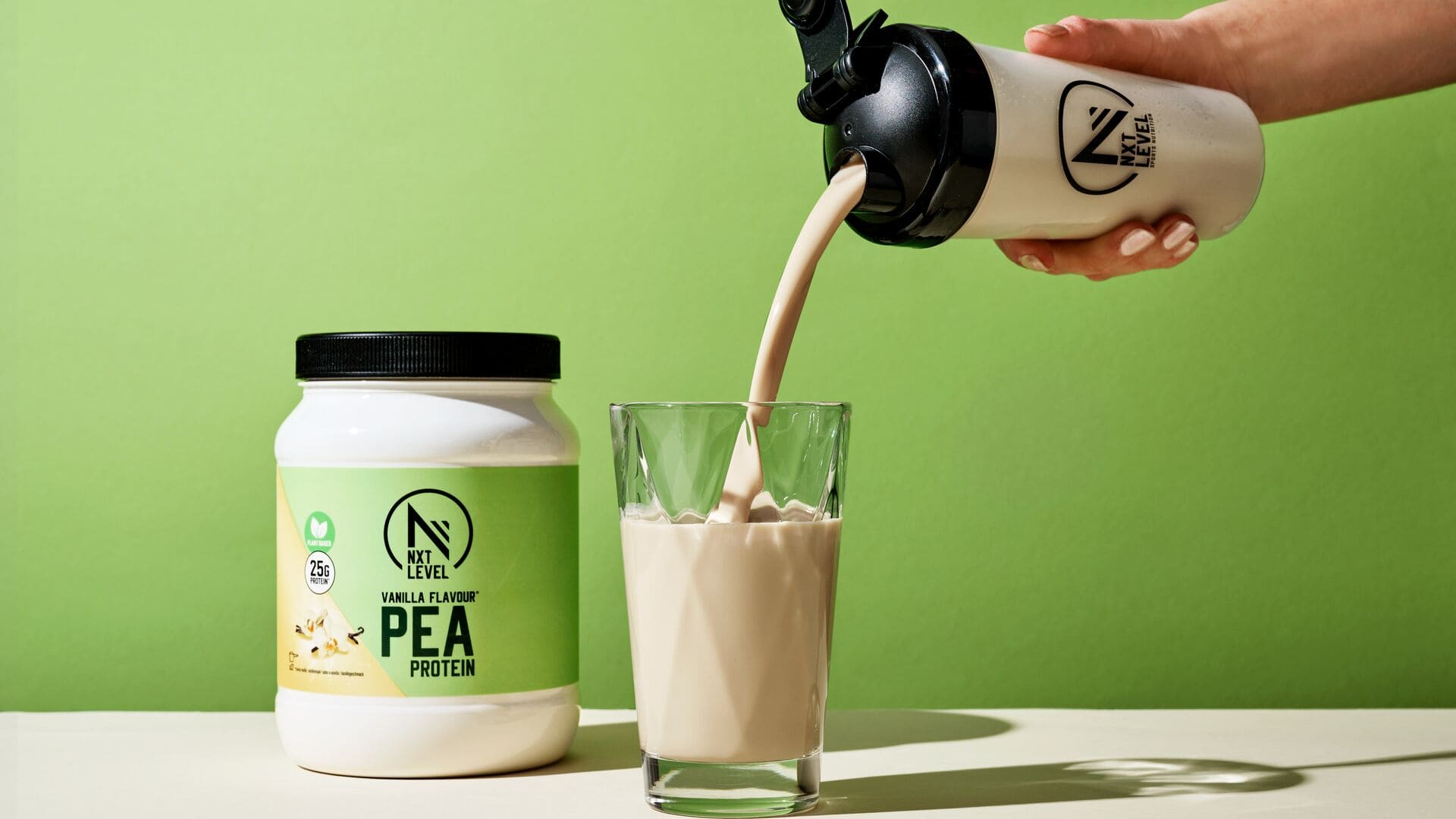
Get enough protein
Protein is essential for your body. Every cell, tissue, and muscle relies on it to grow, repair, and stay strong. Getting enough protein also makes meals more satisfying and helps reduce cravings.
Try to include some protein with every meal. That could be:
- Eggs
- Fish or poultry
- Tofu or tempeh
- Beans and lentils
- Greek yogurt or cottage cheese
As a general rule, aim for around 1.2 to 1.6 grams of protein per kilo of body weight per day. If you have a medical condition, check with your doctor before adjusting your intake.

Choose the right drinks
Liquid calories can easily add up, especially from sugary drinks like soda, juice, or sweetened coffee. They don’t keep you full and can cause blood sugar spikes that make you hungry again soon after.
Instead, go for:
- Water (plain or with lemon, mint, or cucumber)
- Sparkling water (flavoured but unsweetened)
- Black coffee
- Unsweetened tea (hot or iced)
- Protein shakes (as part of a meal or snack)
Aim to drink about 30 to 35 ml of water per kilo of body weight each day. Staying hydrated helps with recovery, digestion, and focus, especially if you train regularly.
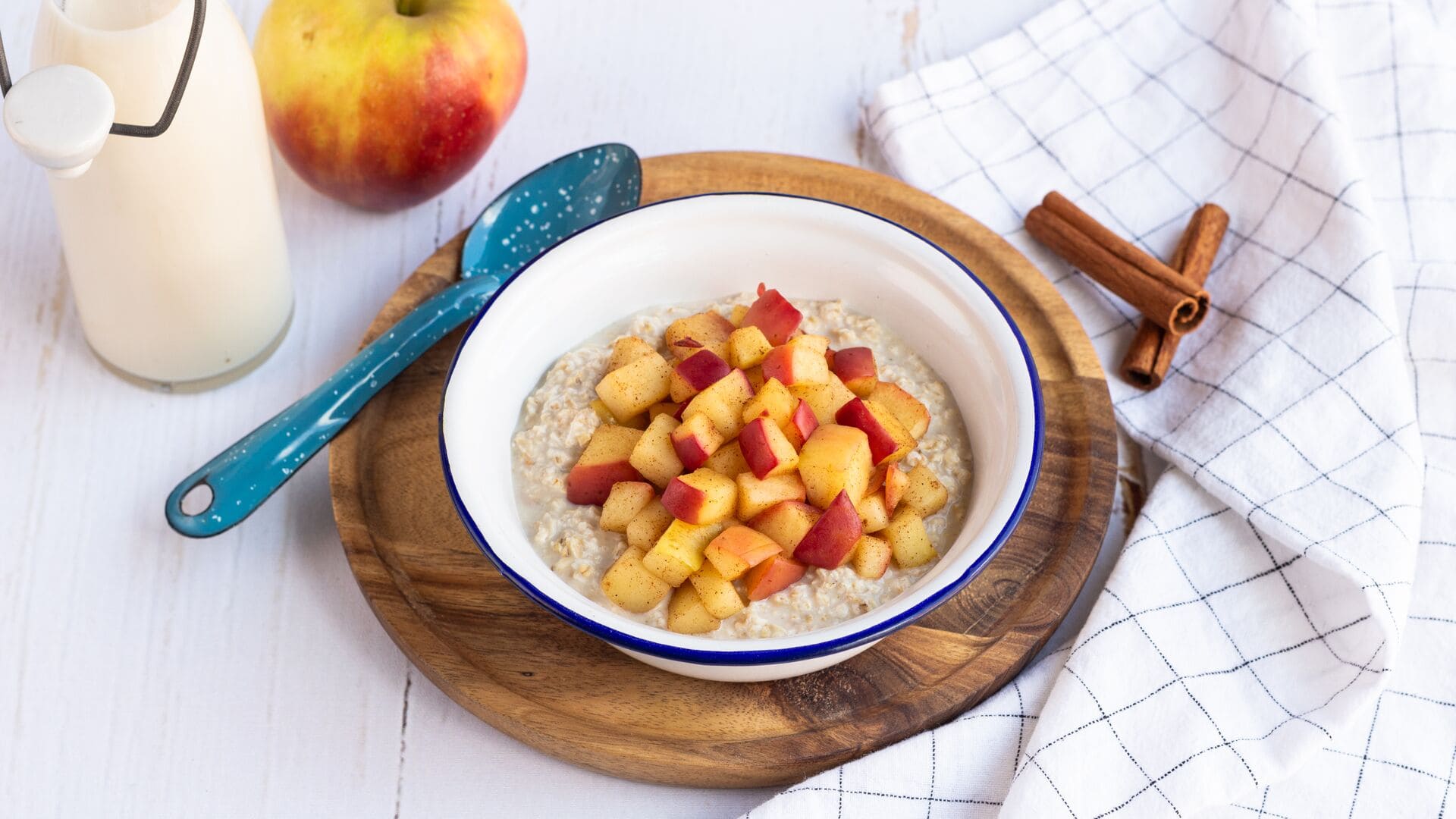
Get enough fiber
Fiber helps control appetite, supports digestion, and keeps your blood sugar stable. Aim for around 30 grams of fiber per day.
High-fiber foods to include:
- Vegetables (broccoli, carrots, spinach, Brussels sprouts)
- Fruit (apples, pears, raspberries, bananas)
- Legumes (beans, lentils, chickpeas)
- Whole grains (oats, brown rice, wholemeal bread, barley)

How sleep and stress affect your progress
Training and nutrition often get the spotlight, but sleep and stress are just as important. Poor sleep and chronic stress can make it harder to manage hunger, stay motivated, and recover from workouts.
Sleep helps your body reset. When you don’t sleep enough, your hunger hormones go up and your energy goes down, which makes it much harder to stay consistent. For best results, aim for 7 to 9 hours each night and keep a consistent sleep routine when you can.
Stress also plays a role. When you’re under pressure, your body releases cortisol (the stress hormone), which leads to more cravings, lower motivation, and slower recovery. Doing something simple like going for a short walk, stretching, or taking a few deep breaths can help lower stress and support your progress.
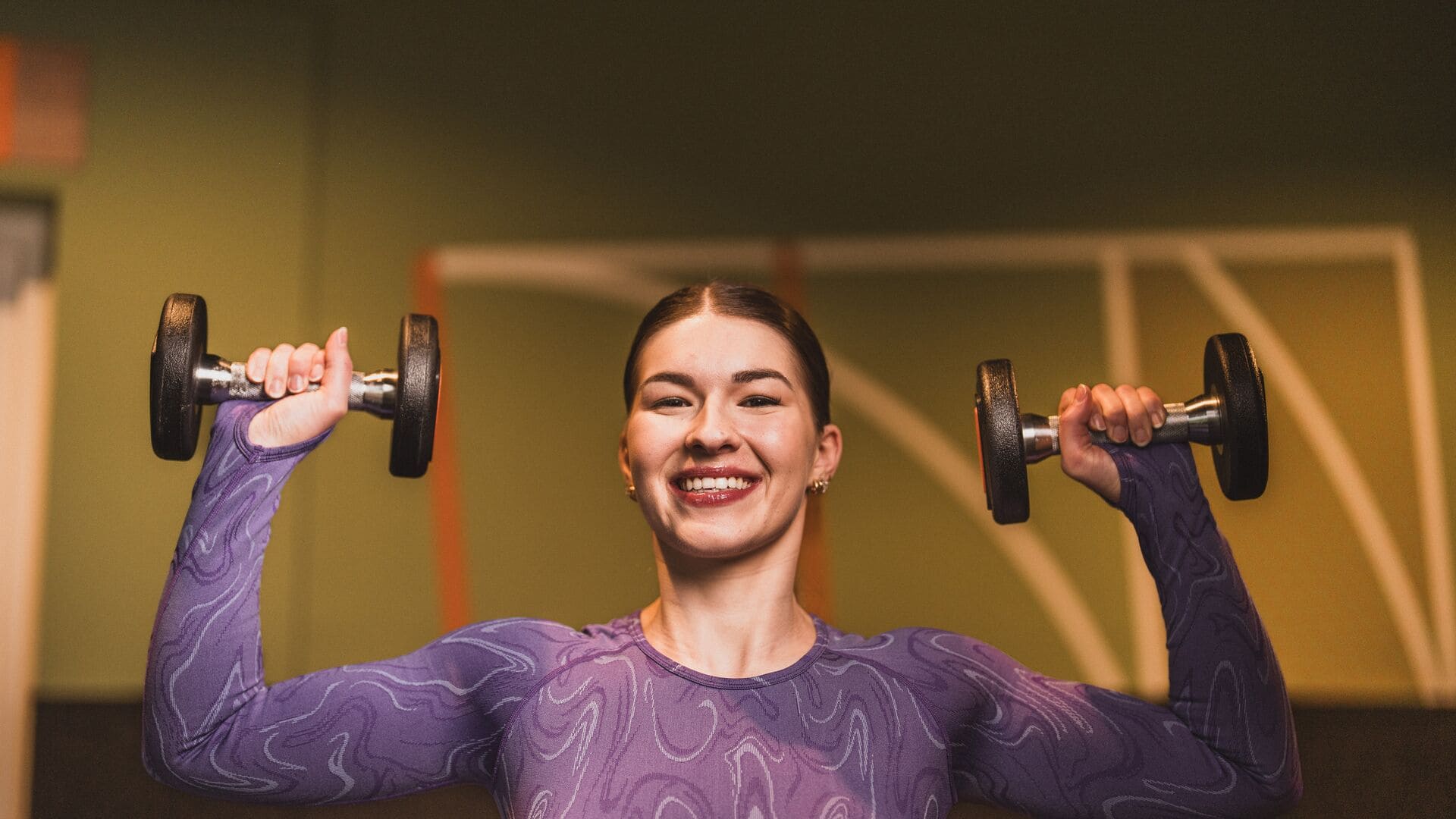
Track your progress and stay consistent
The most challenging part of a weight loss journey is staying consistent over time. Tracking your progress and planning in advance helps keep your discipline in check, as motivation is not always reliable.
When you record things like your workouts completed, weight progress, you can see how your actions add up over time. This sense of progress boosts your confidence and reinforces positive habits, making it easier to stick to your routine.
Tracking also helps you stay accountable and mindful of your choices, so you're more likely to make decisions that align with your goals.
To make tracking and planning easier, the Basic-Fit app gives you simple tools keep your routine in check:
See your weight progress over time
- Follow ready-made programs, like the "Get started to lose weight" plan, or build your own routine
- Get nutrition tips and info to help you stay on track
- Explore hundreds of healthy recipes for meal ideas that fit your goal
Conclusion
There’s no “standard” weight loss plan that works for everyone, and that’s a good thing. The healthiest approach is one that fits your lifestyle.
By focusing on whole foods, regular movement, good sleep, and realistic goals, you’ll build habits that you can keep over time.
GO FOR IT


