


If your goal is to lose weight or reduce body fat, it’s normal to feel confused about how to train. However, training for weight loss doesn’t have to be complicated or extreme.
You don’t need endless cardio or hours in the gym in order to see results. A balanced approach that combines strength training, cardio, and daily movement is far more effective and sustainable.
In this article, you’ll learn how training supports weight loss, how strength training and cardio work together, and what a realistic training week can look like.
How training supports weight loss
Weight loss happens when your body uses more energy than it takes in over time. Training helps support this process in a few important ways:
- You burn energy during workouts, whether you’re lifting, running, cycling, or walking.
- You build or maintain muscle, which can slightly increase your metabolism over time.
- You improve your fitness, mood, and confidence, which makes it easier to stay active and consistent.
- You build habits that support long-term health and fit into a healthy, sustainable approach to weight.
Weight loss isn’t about one “perfect” workout or a single hard week in the gym. It’s about what you do consistently over months. Slow, steady progress is not only more realistic, it’s also healthier and more sustainable.

The role of strength training in weight loss
Many people believe that strength training is only for building muscle and that cardio is the real tool for weight loss. In reality, strength training is one of the most valuable things you can do when your goal is fat loss.
Here’s why:
- It helps maintain muscle while losing weight.
When people lose weight without strength training, they often lose muscle as well as fat. Keeping muscle helps you feel stronger, healthier, and more capable in daily life.
- It supports long-term results.
Muscle tissue is metabolically active, meaning it helps your body use energy more efficiently over time.
- It shapes your body composition.
Even if the scale doesn’t move quickly, you may notice that your clothes fit differently, you feel firmer, and your body looks and feels more athletic.
- It boosts confidence.
Getting stronger is incredibly motivating. Seeing progress in the gym often helps people stay committed.
For beginners, 2–3 full-body strength workouts per week is a great place to start. Focus on big, functional movements like squats, lunges, rows, push-ups, deadlifts, and presses.

Cardio and weight loss: how to use it effectively
Cardio helps you burn additional calories, improves heart and lung health, and supports mental health and stress management. It is often the first thing people think of when they want to lose weight. And it does play an important role. Just not in the “do as much as possible” way many people assume.
There are different types of cardio, and each can be useful:
- Low-intensity steady-state cardio (LISS) like walking, cycling at an easy pace, or light jogging. It’s easier to recover from and great for beginners.
- Moderate-intensity cardio such as steady running, cycling, or fitness classes where you can talk, but not easily.
- High-intensity interval training (HIIT) which are short bursts of effort followed by rest. This can be very effective, but it’s not necessary to do every day.
The best way to go about this? Finding cardio you enjoy and can stick with. Aim for a mix of intensity levels across the week rather than pushing your limits every session.

The role of daily movement outside the gym
Training sessions are important, but what you do outside the gym matters just as much. Daily movement like walking, taking the stairs, cycling to work, or simply staying active throughout the day can significantly increase your energy expenditure.
This is called NEAT (Non-Exercise Activity Thermogenesis), and it can make a real difference over time.
- Simple ways to increase your daily movement:
- Go for a walk during lunch or after dinner
- Take the stairs instead of the elevator
- Aim for regular movement breaks if you sit a lot
- Play with your kids, walk your dog, or explore your city
- Track your steps if that motivates you (but don’t obsess over it)
Small actions add up. Even an extra 10–20 minutes of movement each day can make progress more sustainable without feeling like extra workouts.

What a balanced training week can look like
So how do strength training, cardio, and daily movement fit together? Here’s an example of a balanced training week for weight loss:
Example weekly training plan
- Day 1: Strength Training (Full Body). Squats or leg press, lunges, push-ups or chest press, rows, core exercises.
- Day 2: Daily Movement 30–45 minutes of moderate "cardio" (like brisk walking, cycling, or light jogging).
- Day 3: Strength Training (Full Body). Deadlifts or hip hinge exercise, step-ups, shoulder press, lat pulldown, core.
- Day 4: Rest or Light Activity Gentle walking, stretching, or mobility.
- Day 5: Cardio or Active Workout. This could be a HIIT session, a fitness class, or another moderate cardio session.
- Day 6: Optional Strength or Active Movement. If energy allows, add another light strength day, a sports session, or a long walk.
- Day 7: Rest
Adjust the plan to your schedule and fitness level. The best program is the one you can see yourself following for months, not just weeks.
If you like having a clear plan, you can use the workout builder in the Basic-Fit app to create workouts for different days of the week. You choose your focus, time and level, and adjust it as your routine changes.
How to stay consistent when training for weight loss
Motivation comes and goes for everyone. The key to success is building habits that keep you going even when motivation is low.
Here are some practical tips:
- Set realistic expectations. Progress takes time. Be patient with yourself.
- Focus on routine, not perfection. Missing a workout doesn’t mean you’ve failed. Get back to it next time.
- Celebrate non-scale wins. Better sleep, more energy, improved strength, and feeling fitter all matter.
- Plan your workouts. Put them in your calendar like any other appointment.
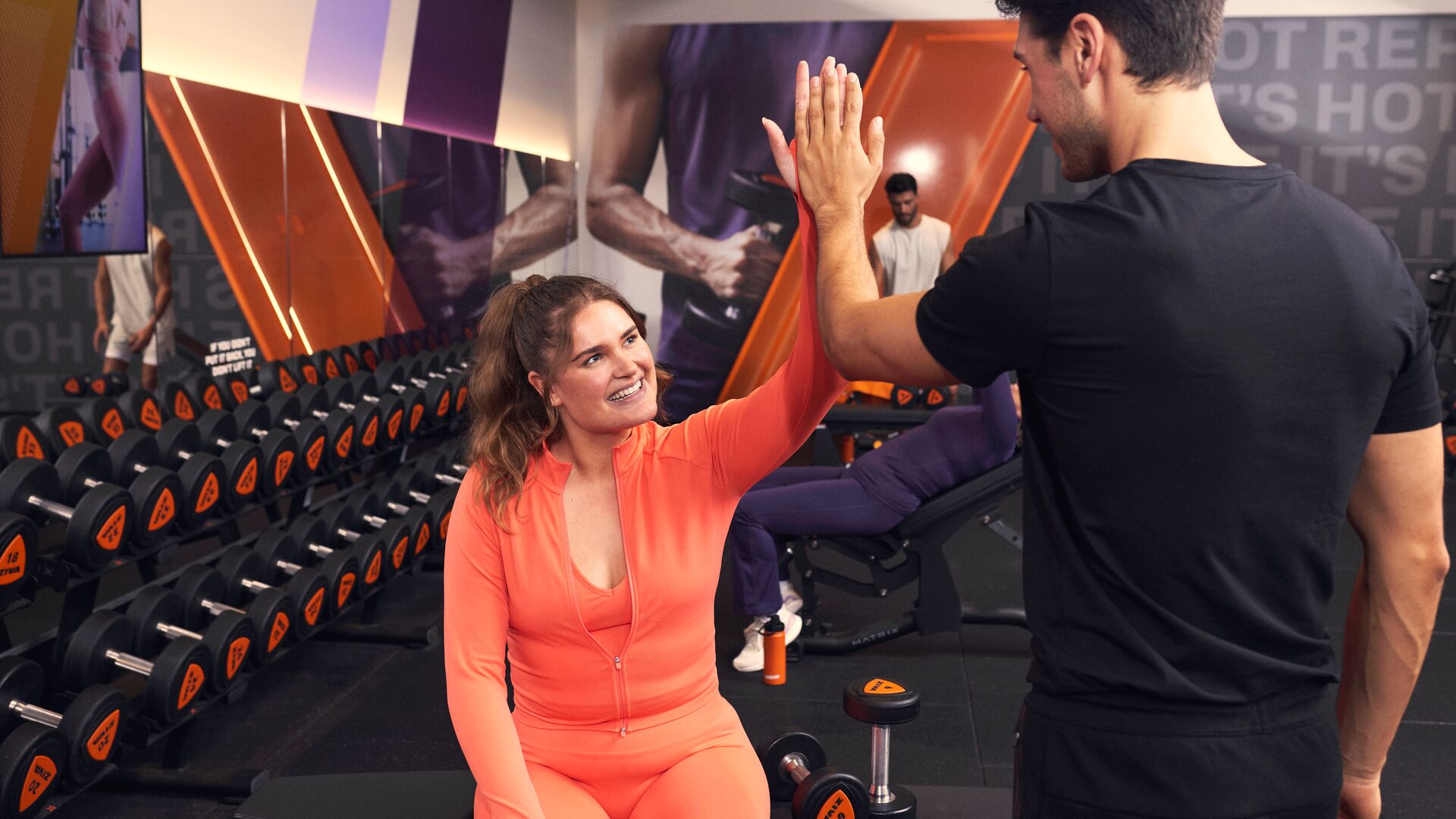
- Find support. A training buddy, coach, or supportive community can make a huge difference.
- Make it enjoyable. Choose activities you don’t hate. Enjoyment makes consistency easier.
On the Basic-Fit app, you can find a mix of training plans and follow-along video workouts, including options focused on weight loss. You can use them as a starting point and adjust as your routine changes.
Final thoughts
Training for weight loss isn’t about punishing workouts or cutting everything you love. It’s about building habits that help you feel healthier and more confident in your body.
By combining strength training, cardio, and daily movement you’ll create a routine that supports sustainable weight loss and long-term health. Be patient and focus on what you can maintain in the long run. That’s where real progress happens.
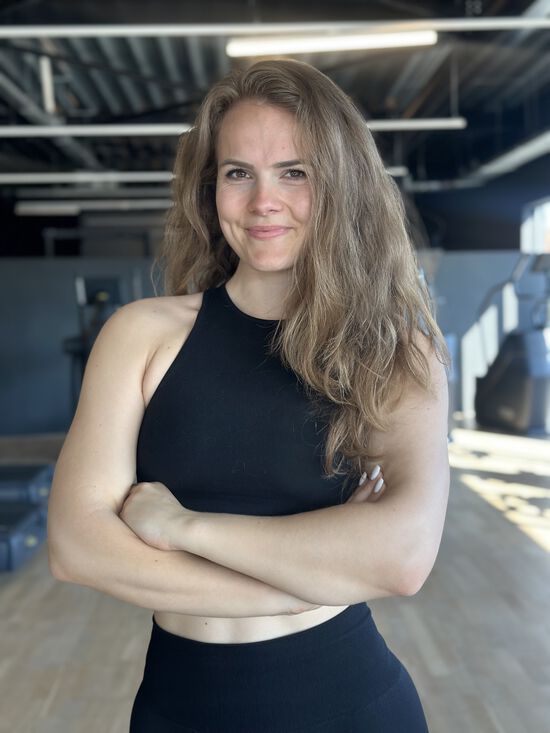
If you’re new to fitness, personal trainers at Basic-Fit can help you feel confident with the basics. Trainers like Kaylee focus on guiding you through movements, answering questions, and building routines that match your level.
This article is for general information only. Individual needs can vary depending on health status, training experience, and personal goals. If you have a medical condition or specific health concerns, consider seeking advice from a qualified healthcare professional.


