

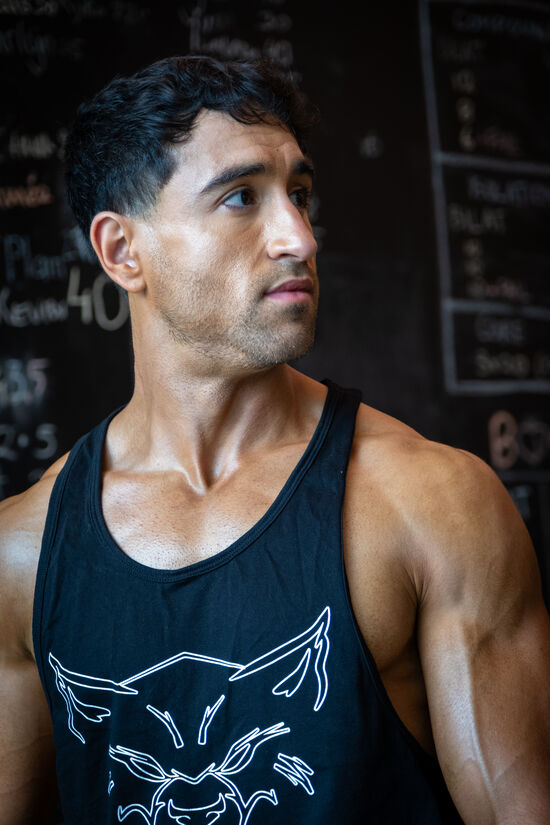

The Tour de France is one of the most epic endurance events in the world, but you don’t need to be on the French roads to feel its adrenaline. At Basic-Fit, you can experience that feeling right from the gym, at your own pace.
You’ve probably heard of Alpe d’Huez: 21 bends that seem endless and challenge even the best cyclists. At the gym, you can recreate that climb on our smart bikes and see your progress with every session.
But how do you train for something like this from scratch? Here’s a simple and practical way to get started.
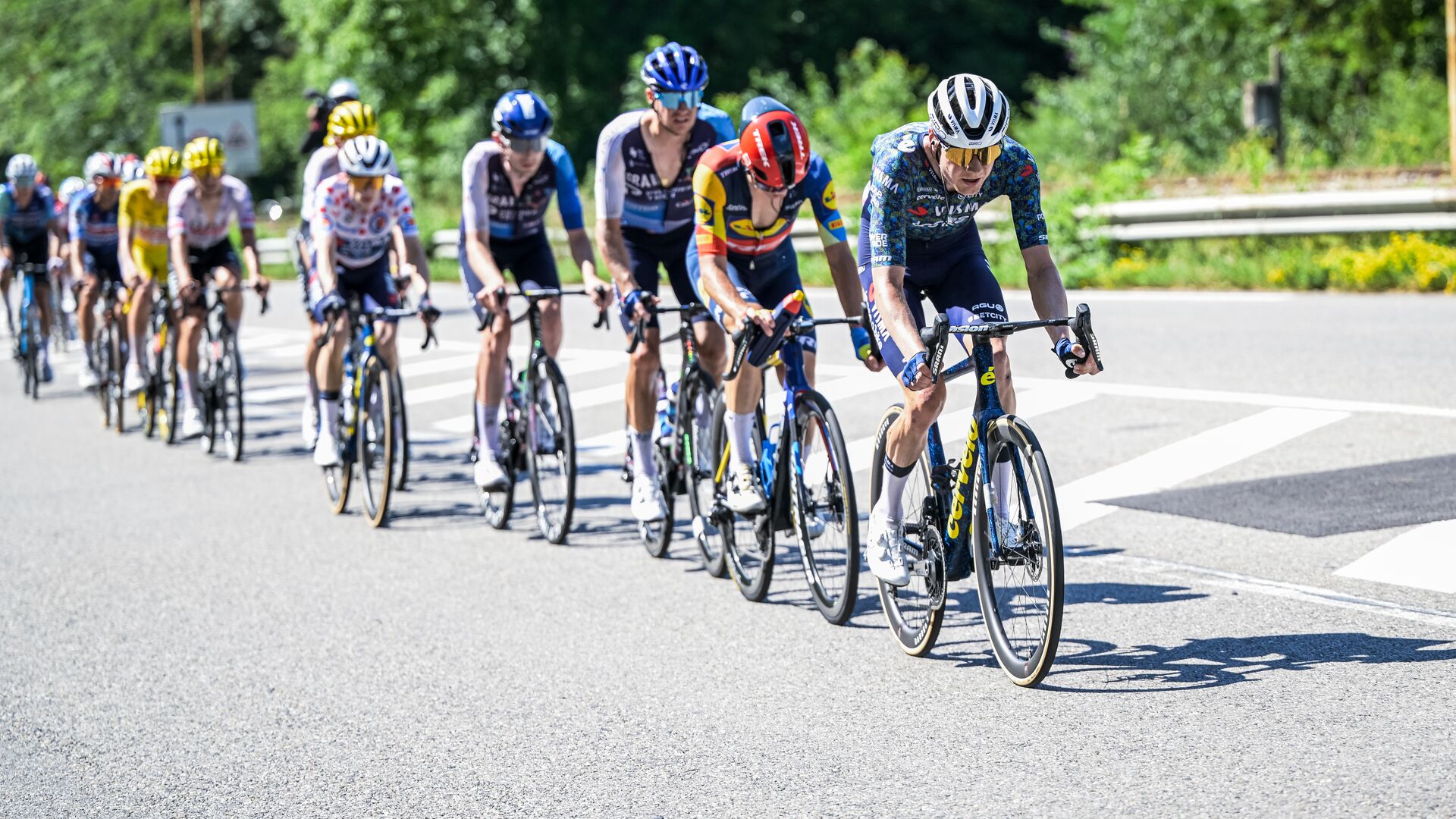
How to start training like a cyclist
As an official partner of the Tour de France, Basic-Fit brings that experience closer to you, both in the gym and at home.
You can train in our clubs using smart bikes that let you adjust resistance, follow guided routes and track your progress in real time. That way, every session feels closer to a Tour stage.
If you prefer training outdoors or moving more in your daily life, you can also do it with our e-bikes, available in the shop.
To get started, you can follow these steps:
- Open the Basic-Fit app
- Go to the “Explore” section
- Choose a cycling or interval workout
- Adjust the bike and start at your own pace
The benefits of cycling for your body
Cycling training doesn’t just improve performance, it also has a direct impact on how you feel and move every day.
- Improves your cardiovascular endurance
- Strengthens your legs and glutes
- Helps burn fat
- Protects your joints by reducing impact-related injuries
The more consistent you are, the more you’ll notice these changes.
How many days a week should you train cycling?
One of the most common questions when starting is how many days a week you need to train to see real progress. Sports science suggests that for beginners or intermediate levels, the sweet spot is three sessions per week*.
This volume gives your heart and muscles enough stimulus to improve without overtraining. If you’re not sure how to plan your week, the Basic-Fit app offers a Beginner plan (2 cycling days and 1 strength day) or an Intermediate plan, ready to follow so you can just show up and get started.
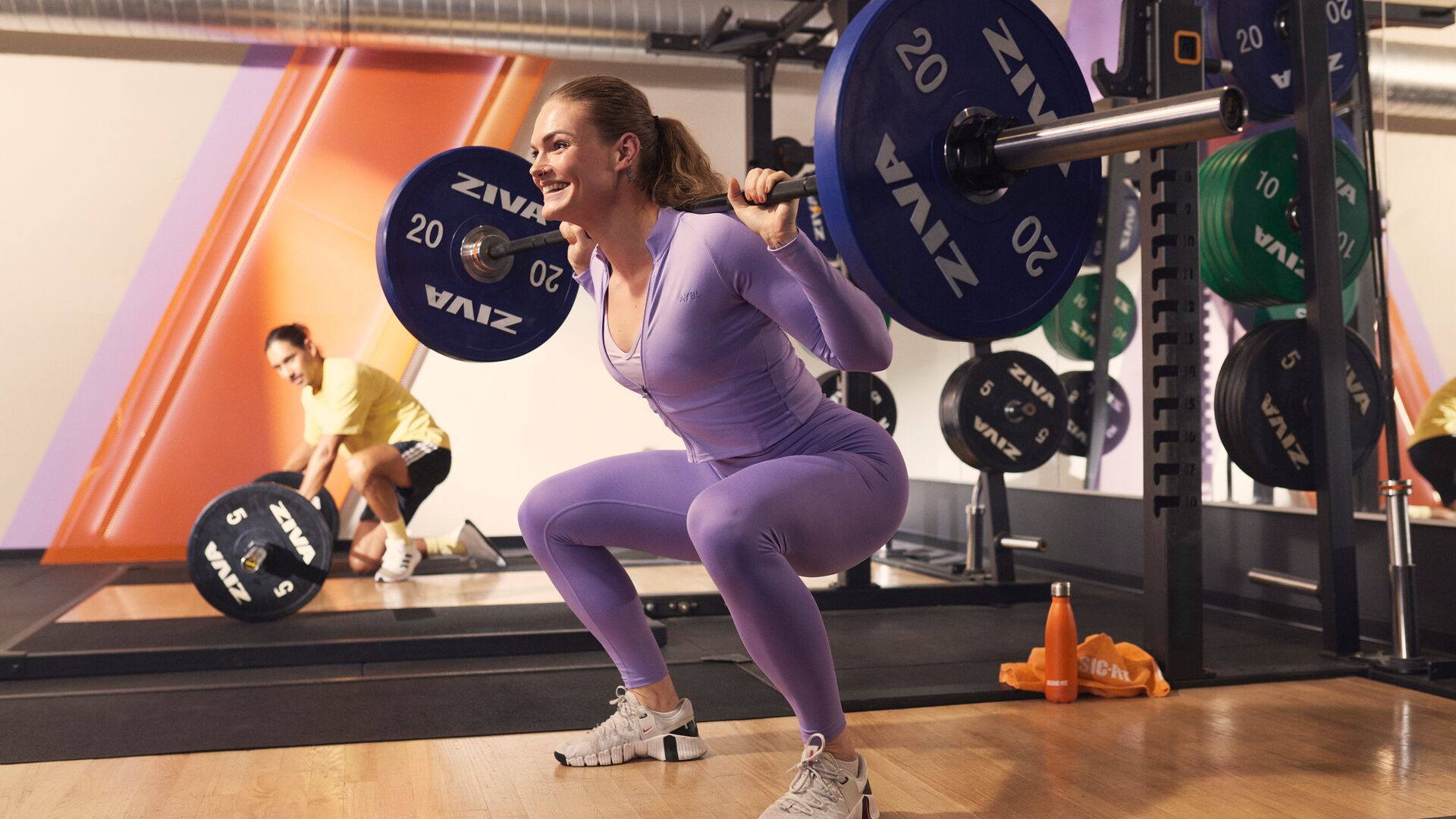
Is it better to do weights before or after cycling?
To climb mountains, real or digital, you need power. But the classic question remains: should you prioritise weights or cardio? The answer depends on your main goal.
If your goal is to perform in a Tour de France-style challenge, it’s best to do your cycling workout first, when your glycogen stores are full, or ideally on separate days from strength training*. Strength is a cyclist’s safety net:
- Lunges and step-ups: essential for building unilateral power. When cycling, your legs don’t work equally at the same time, so training them separately helps correct imbalances and protect your knees.
- Core as your anchor: a strong core keeps you stable on the saddle and helps prevent lower back pain, which is common in beginners*. Exercises like planks or bird-dogs help transfer your energy directly to the pedals.
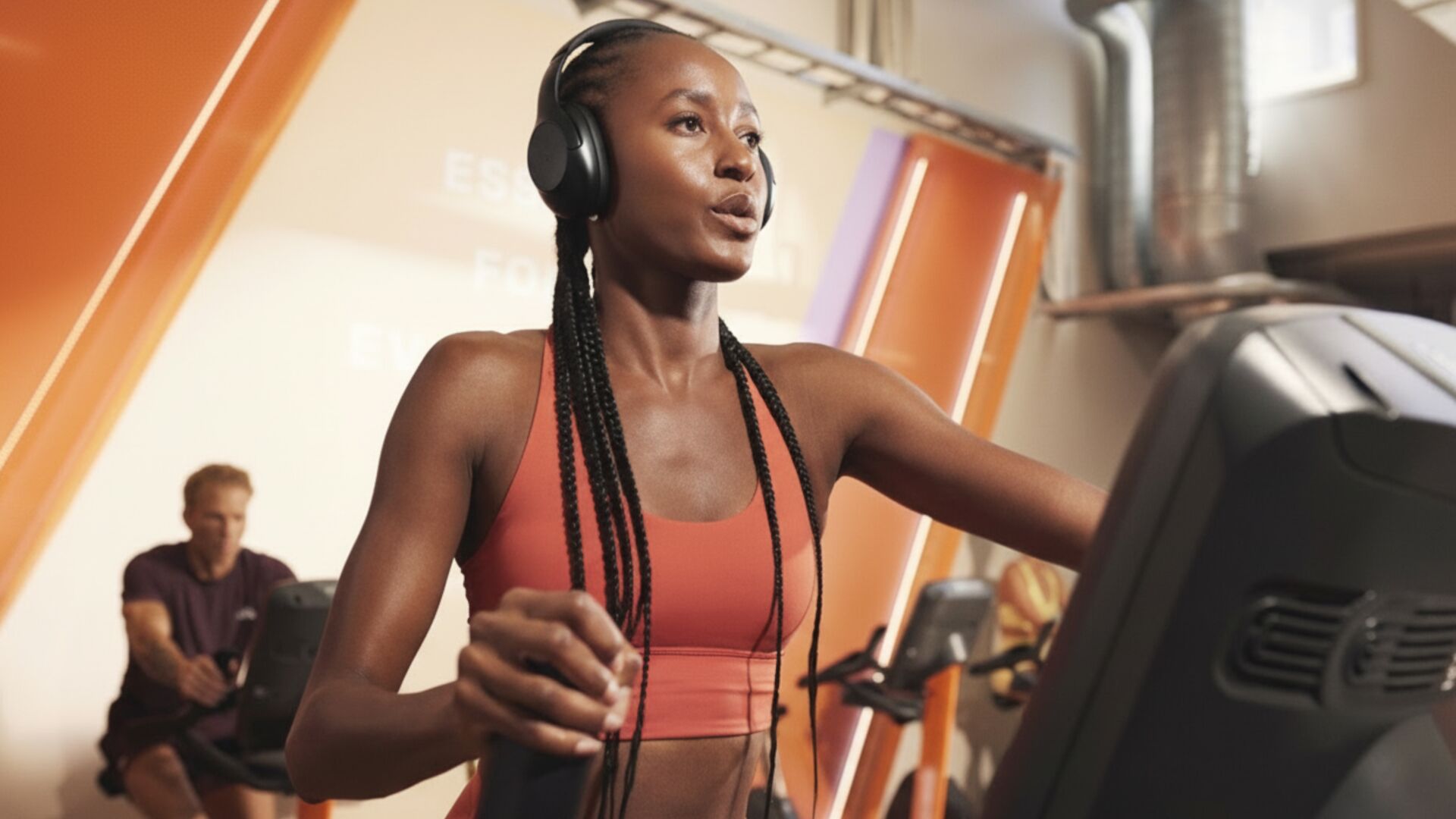
How to use HIIT to improve your cycling endurance
You don’t need to cycle for hours to improve. High-intensity interval training (HIIT) is one of the fastest ways to increase your VO2 max*.
Try the 30/90 method on our smart bikes: 30 seconds of maximum effort, like sprinting to the finish, followed by 90 seconds of very light pedalling. Repeat this 8 times and you’ll boost your endurance more than with a slow one-hour ride.
In the “Explore” section of the app, you’ll find guided interval workouts you can follow in real time.
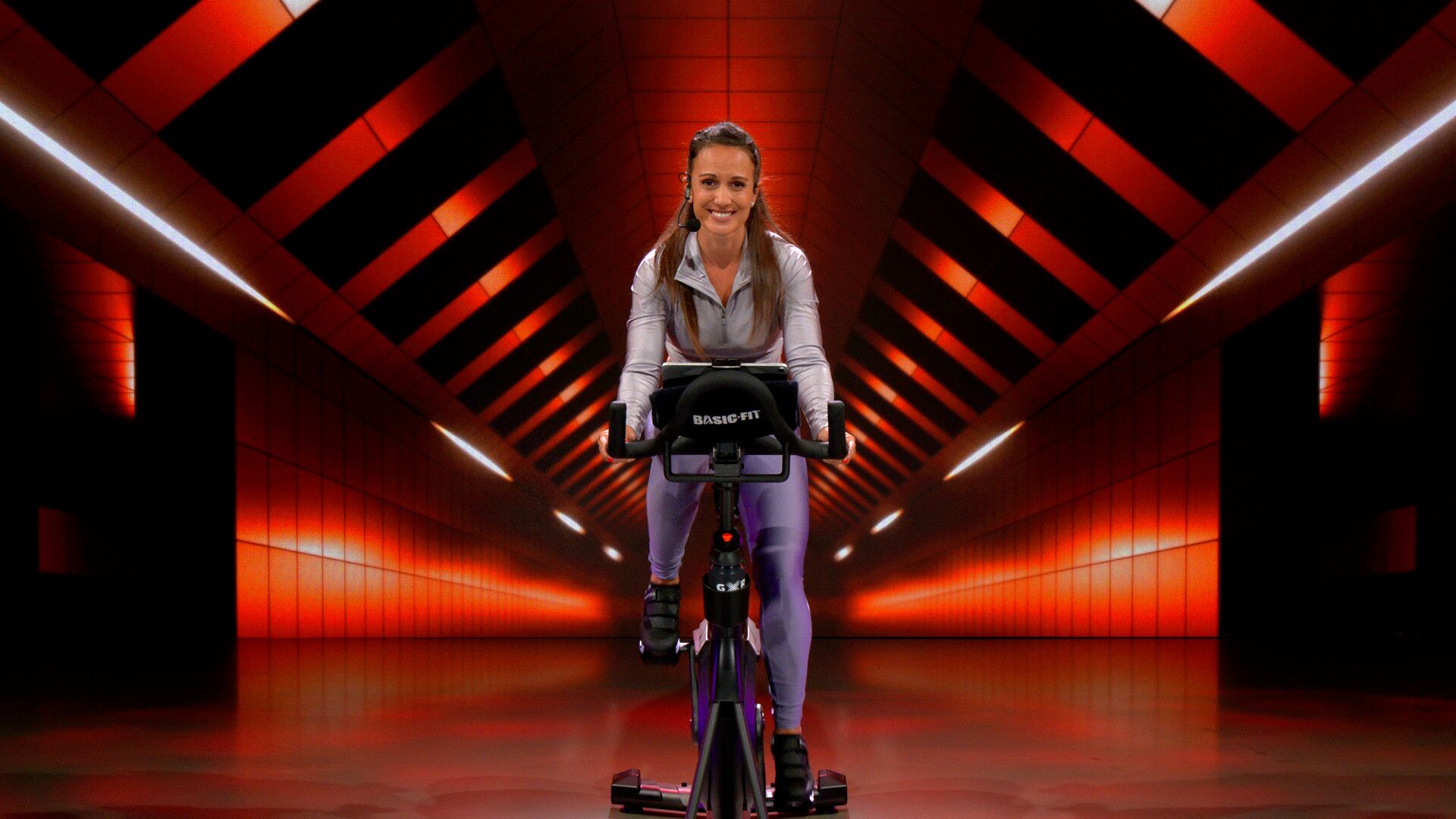
A workout to try in your next session
If you want to put this into practice, try this session next time you’re at the gym. It combines a cycling block for endurance with basic strength exercises. A simple way to build your base and get your body used to the effort.
Bike (20–25 min)
- 5 min easy
Comfortable pace. You can talk without any trouble.
- 4 rounds: 30 sec fast + 90 sec easy
Increase speed or resistance until it feels challenging. Talking becomes difficult. Then slow down and recover
- 1 final round: 45 sec fast + 90 sec easy
Slightly more challenging than before, but not all-out.
- 5 min easy to finish (cooldown)
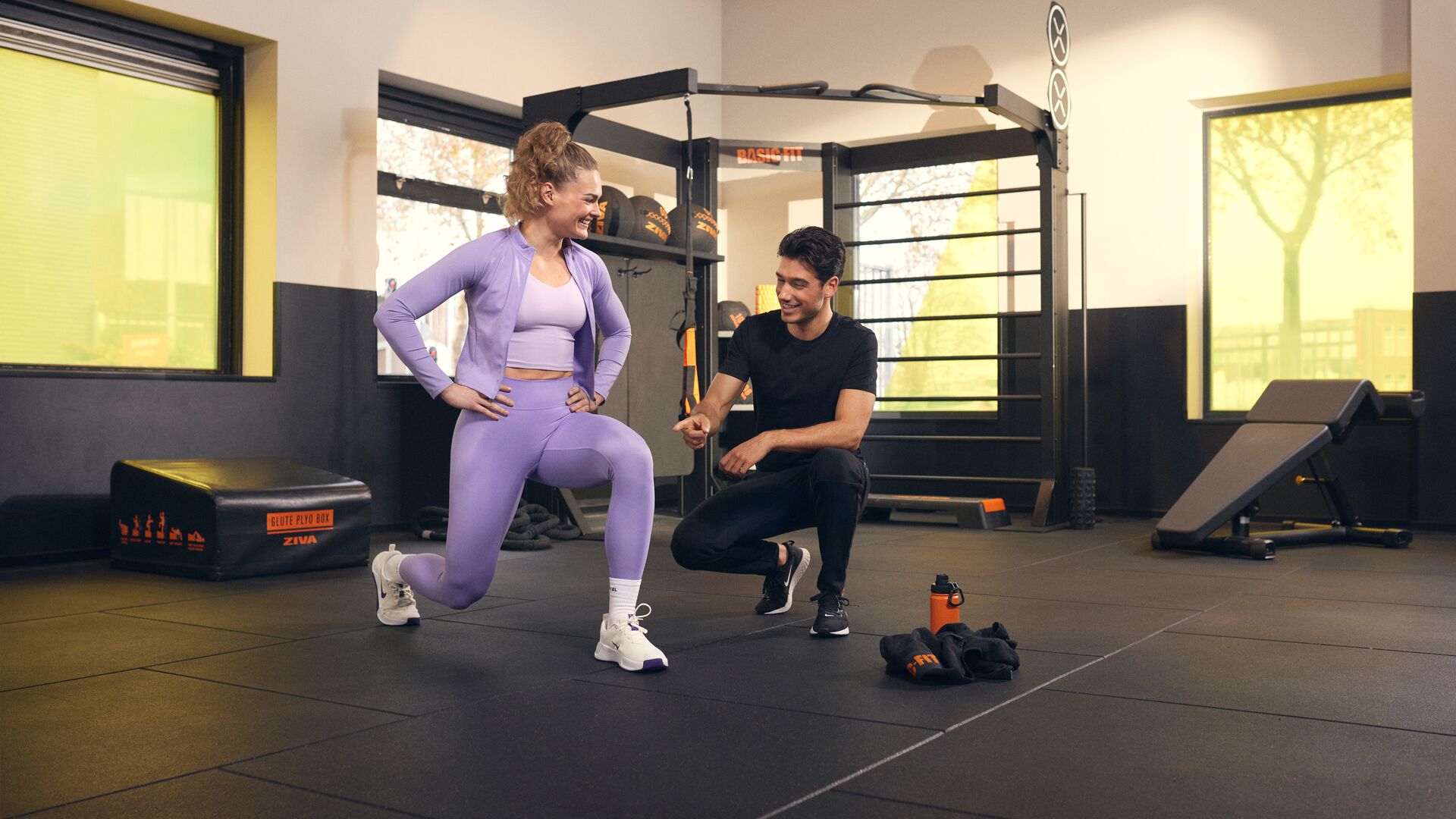
Strength
Choose a weight that feels challenging in the last reps, without losing proper form.
- Leg curl machine → 3 x 12
Adjust the weight so the last reps are challenging, while staying in control of the movement.
- Lunges → 3 x 10 per leg
Keep your balance and stay in control.
- Plank → 3 x 30–40 sec
Keep your body straight, without dropping your hips.
How to recover after training
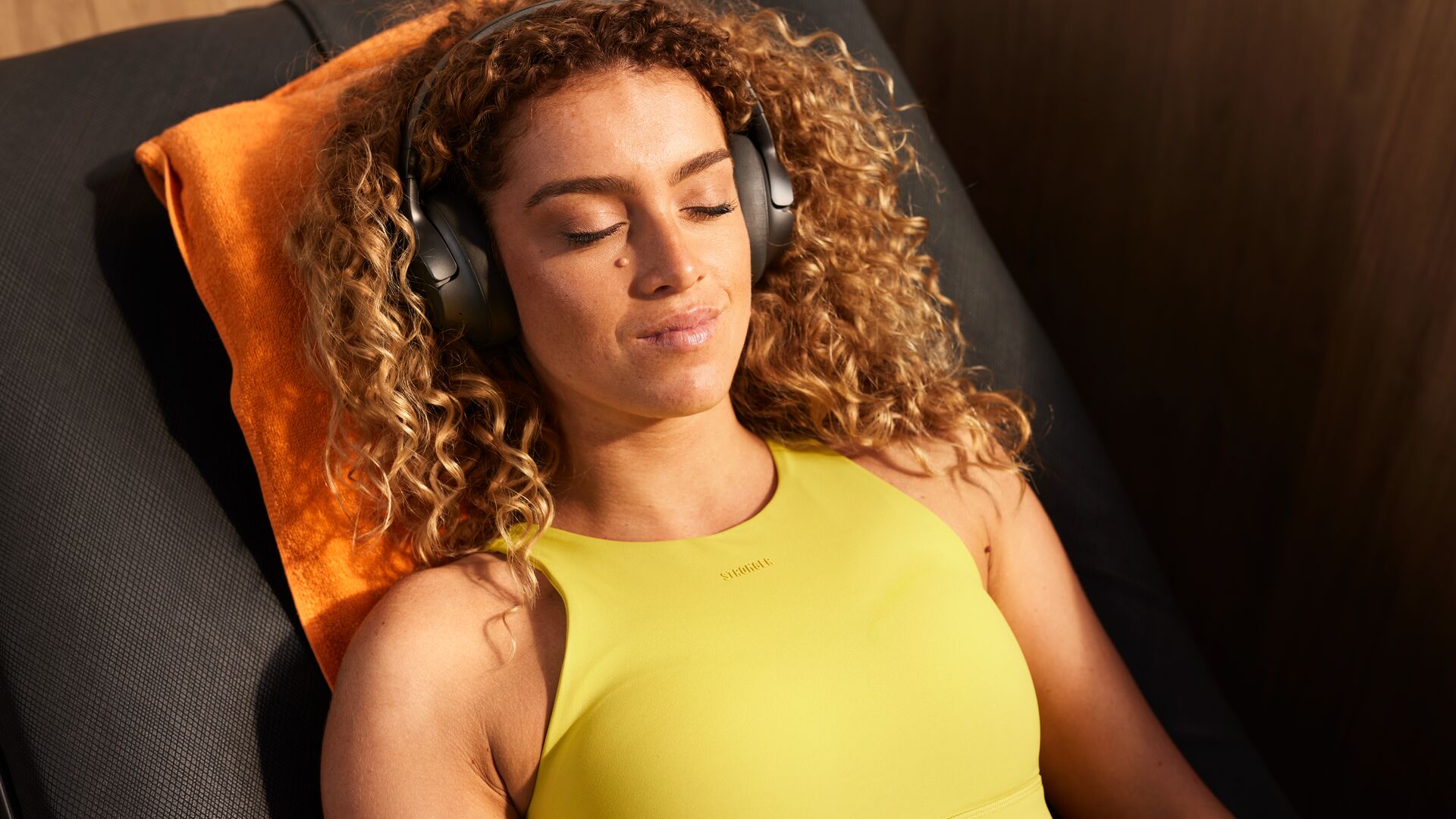
Training hard is only half the work, the other half happens while you sleep. Many people wonder how to avoid soreness after an intense leg session. The key isn’t a magic fix, but a combination of three factors:
- Stay hydrated: drinking water before, during and after your workout is essential for muscle function.
- Quality sleep: during 7 to 9 hours of sleep, your body repairs damaged muscle fibres*.
- Mobility: a light stretching session or yoga helps keep blood flowing and reduces stiffness.
Your Tour starts today
It doesn’t matter if you’ve never ridden a road bike. What matters is your willingness to improve by 1% every day. The Tour de France is all about pushing limits, and your training at Basic-Fit is your own queen stage.
Adjust your saddle, choose your program in the app and GO FOR IT! See you at the top of Alpe d’Huez.
This article is for informational purposes only and does not replace professional advice. Individual needs may vary depending on your health and experience level. Consult a professional if you have specific questions.
Sources
- Rønnestad, B. R., & Mujika, I. (2014). Optimizing strength training for running and cycling endurance performance. Sports Medicine
- Hausswirth, C., & Mujika, I. (2012). Recovery for Performance in Sport. Human Kinetics
- Gibala, M. J., & Jones, A. M. (2013). Physiological adaptations to low-volume, high-intensity interval training. The Journal of Physiology
- All Tour de France images in this article are by A.S.O. / Billy Ceusters & Charly Lopez


