


If you’ve ever tried to eat for weight loss, you’ve probably seen a lot of conflicting advice. Eat less, cut carbs, track everything, etc.
It’s confusing, and often not sustainable. The truth is, eating for weight loss can be simple and something you can stick to.
In this article, you’ll learn how to build balanced meals, understand portions, and create habits you can actually stick to, so you feel more energised and in control of your routine.

How nutrition supports weight loss
Weight loss is simpler than it seems: over time, your body uses more energy than it takes in.
But that doesn’t mean you should eat as little as possible. In fact, eating too little is one of the most common reasons people feel stuck.
As a trainer, I’ve seen this a lot. Someone comes in feeling tired, low on energy, and frustrated with their diet. Then when we talk about what they’re eating, it turns out they’re barely fueling their body. Skipping meals, eating very small portions, and trying to be as strict as possible.
If you undereat, you end up low on energy, dealing with more cravings, and workouts feel harder than they should. Not to mention the negative impact on long-term physical and mental health.
Weight loss works best when your body feels supported instead of restricted. That’s when you have more energy, fewer cravings, and training starts to feel better.
That means:
- Having enough energy for your workouts
- Recovering properly
- Being able to stay consistent without feeling drained
Nutrition is one part of the picture. How you train matters too, especially if your goal is to lose weight while keeping your energy and strength up.
How to build a balanced meal
Instead of focusing on what you can’t eat, it’s more helpful to focus on what your meals should include.
An easy way to do this is building balanced meals around four key components that will help you feel more satisfied, keep your energy steady, and avoid big highs and crashes during the day.
Protein
Helps you feel full and supports muscle recovery.
Think: chicken, fish, eggs, yogurt, tofu, beans.
Fibre
Keeps you satisfied and supports digestion.
Think: vegetables, fruit, whole grains.
Carbohydrates
Your main source of energy, especially for training.
Think: rice, potatoes, pasta, oats, bread.
Fats
Important for overall health and help with fullness.
Think: nuts, seeds, olive oil, avocado.
A practical way to apply this is the “balanced plate” approach:
- Half your plate: vegetables
- One quarter: protein
- One quarter: carbohydrates
- Add a small portion of fats
I once had a client who thought she needed to eat clean all the time to see results. But when we looked at her meals, they were either very strict or very unstructured. Once she started building simple, balanced meals instead, everything felt easier. She had fewer cravings and more energy throughout the day.
A simple example of a balanced day of eating
Here’s a simple example of how that could look in a day:
- Breakfast: Greek yogurt with oats, berries and a handful of nuts
- Snack: Apple with peanut butter
- Lunch: Whole grain wrap with chicken, lots of vegetables and a light dressing
- Snack: Cottage cheese or a boiled egg with some fruit
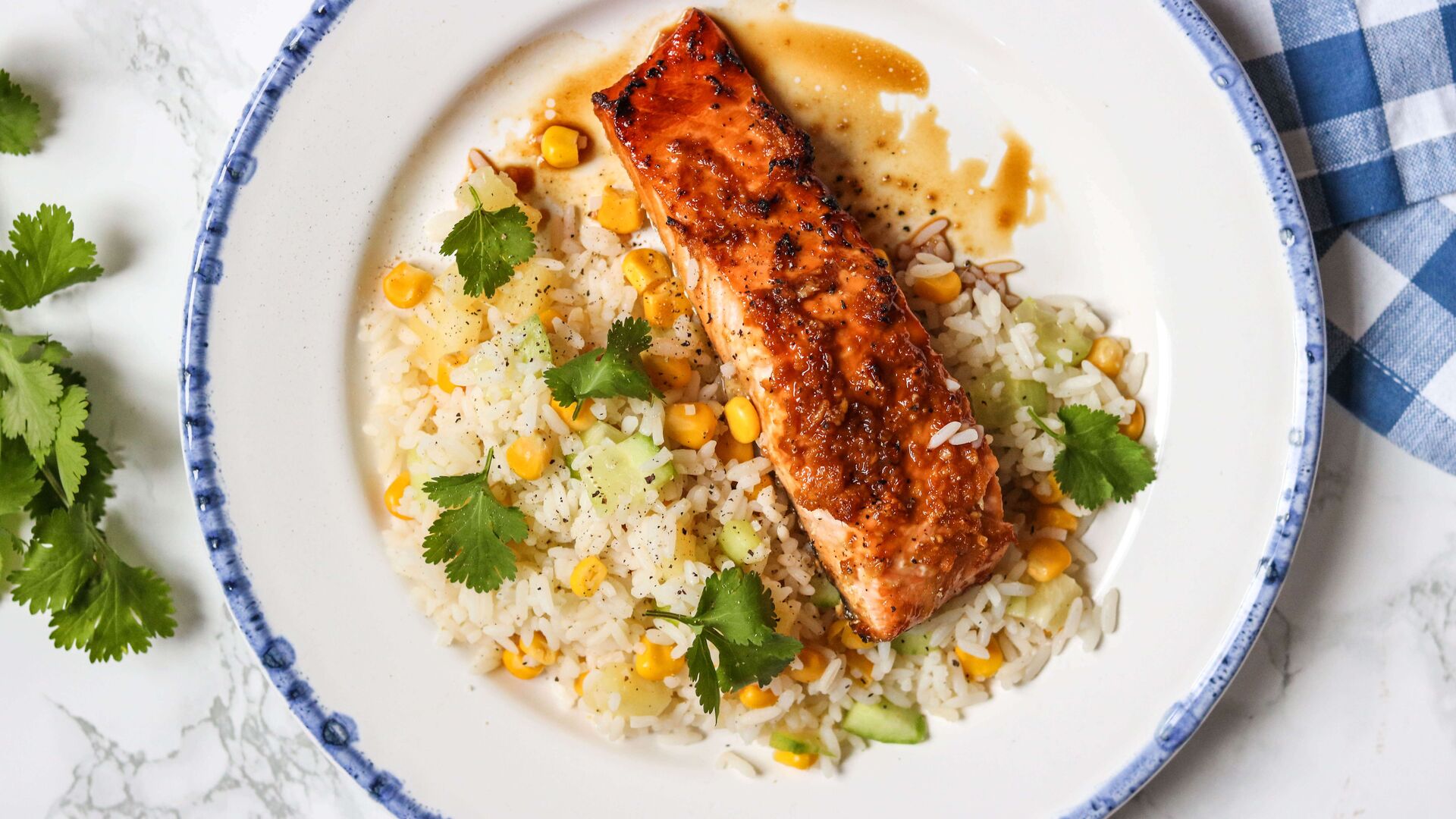
- Dinner: Salmon, potatoes and a large portion of vegetables with olive oil
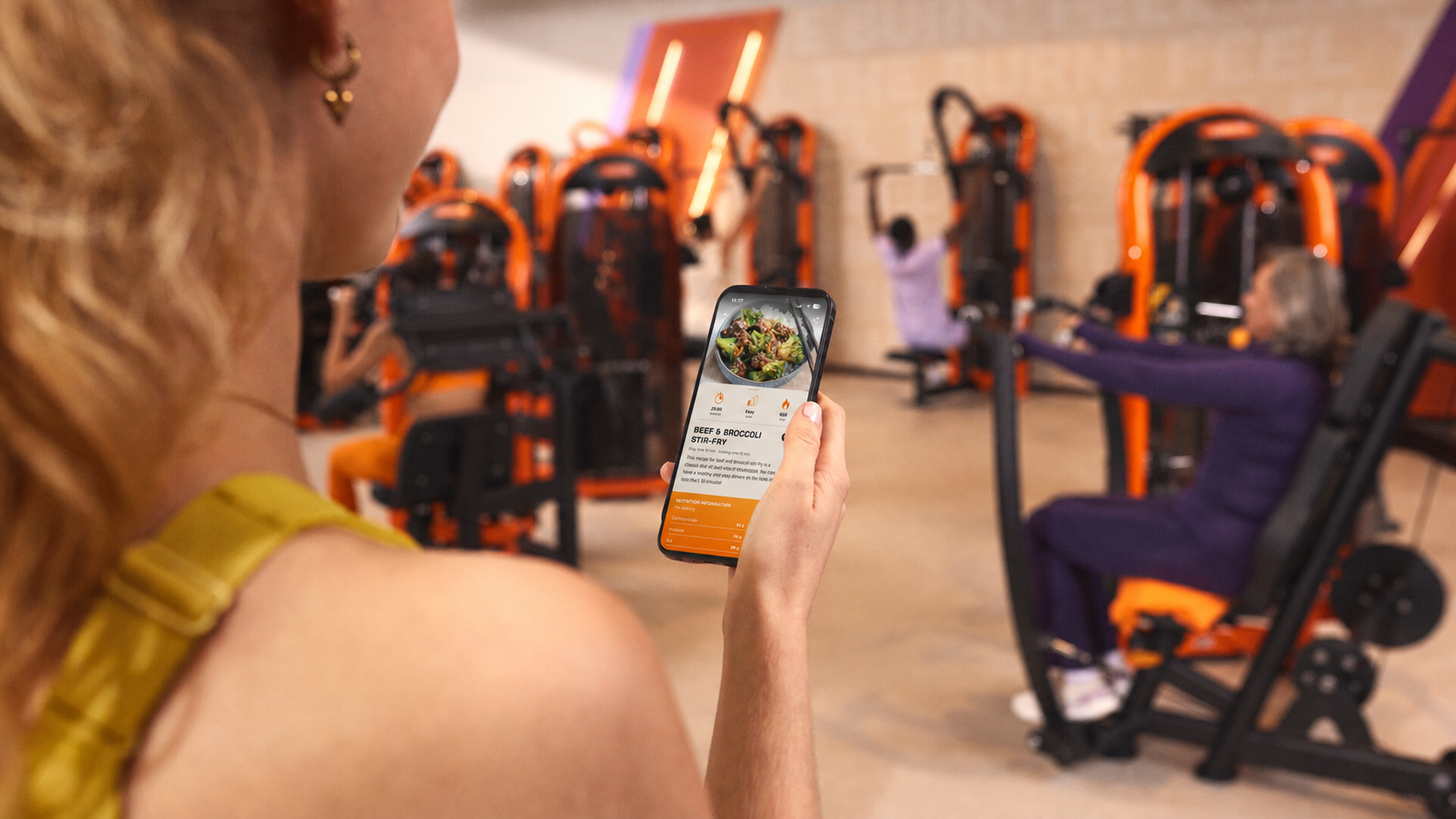
If you need ideas, you can use the Basic-Fit app to find simple recipes and build meals like this.
How to manage portions without counting calories
Portion size plays a role in weight loss, but that doesn’t mean you need to track every calorie to lose weight.
Instead, you can start with simple cues:
- Eat until you feel satisfied, not overly full
- Use a simple hunger scale: start eating when you’re around a 3–4 and stop around a 6–7
Another helpful guideline is using your hand as a reference:
- Protein: palm-sized
- Carbs: cupped hand
- Fats: thumb-sized
- Vegetables: as much as you like
Regular meals help keep your energy stable and make it easier to make balanced choices.
Common eating mistakes during weight loss
A lot of people struggle because they’re trying to do too much, too perfectly. Here are some common patterns that can slow progress:
- Eating too little: Leads to low energy, more cravings, and feeling drained during the day.
- Skipping meals: Often results in overeating later.
- Cutting out entire food groups: Usually not sustainable long-term, and often unnecessary.
- Being very strict during the week and overeating on weekends: Creates a cycle that feels frustrating and inconsistent.
- Ignoring hunger and energy signals: Your body gives feedback that is worth listening to.

How sleep and stress affect your progress
Nutrition isn’t just about what you eat. Your lifestyle plays a big role too.
How sleep affects weight loss
When you don’t sleep well:
- Energy goes down
- Hunger hormones increase
- Cravings go up
That’s when balanced choices start to feel a lot harder.
How stress affects weight loss
Long periods of stress can:
- Increase cravings (especially for high-energy foods)
- Affect recovery
- Make routines harder to stick to
You don’t need to fix your entire lifestyle overnight. But starting with small habits will already help:
- Aim for a consistent sleep schedule
- Build moments of rest into your day
- Keep meals simple during busy or stressful periods
Sometimes the best thing you can do for your nutrition… is not about food at all.
Staying consistent with healthy eating
Motivation will come and go. That’s normal. What makes the difference is having habits you can fall back on.
Some simple ways to stay consistent:
- Plan your meals in advance (even loosely)
- Keep easy, balanced options at home
- Stick to regular eating times
- Focus on progress over following a perfect plan
The people I've seen who get the best results aren’t the ones who do everything perfectly. They’re the ones who keep going. Even on busy weeks and even when things aren’t ideal. Consistency doesn’t mean always getting it right, but not starting over every time something goes off track.
Tracking your progress can help you stay consistent. The Body Analyzer in the club gives you a clearer picture of your progress over time, beyond just the number on the scale, and connects to the Basic-Fit app so you can easily track your results.
Final thoughts
There’s no perfect way to eat for weight loss.
What works is an approach that:
- Supports your energy
- Fits your lifestyle
- Helps you stay consistent over time
By focusing on balanced meals, portion awareness, and realistic habits, you create something sustainable. And when you combine that with training, good sleep, and managing stress, everything starts to work together.
If you’re not sure where to start, keep it simple: pick one meal tomorrow and build it using the balanced plate approach. Do that consistently for a week and see how you feel. Small actions like this are what actually move you forward.
This article is for general information only. Individual needs can vary depending on health status, training experience, and personal goals. If you have a medical condition or specific health concerns, consider seeking advice from a qualified healthcare professional.


