


When it comes to glute training, there is a lot of confusion. Every day, new and often conflicting advice is presented.
Some people say you need to do more exercises. Others say you need to feel the burn. And some tell you to train your glutes as often as possible.
So even if you’re training consistently, it’s not always clear what to focus on.
If your glutes aren’t growing, it could come down to a number of things:exercise selection, execution, training structure, intensity, recovery — or simply the fact that the wrong muscle is doing most of the work.
In this article, we’ll break down what works best, so you can train your glutes with more structure, more intention, and better results.
Understanding your glutes
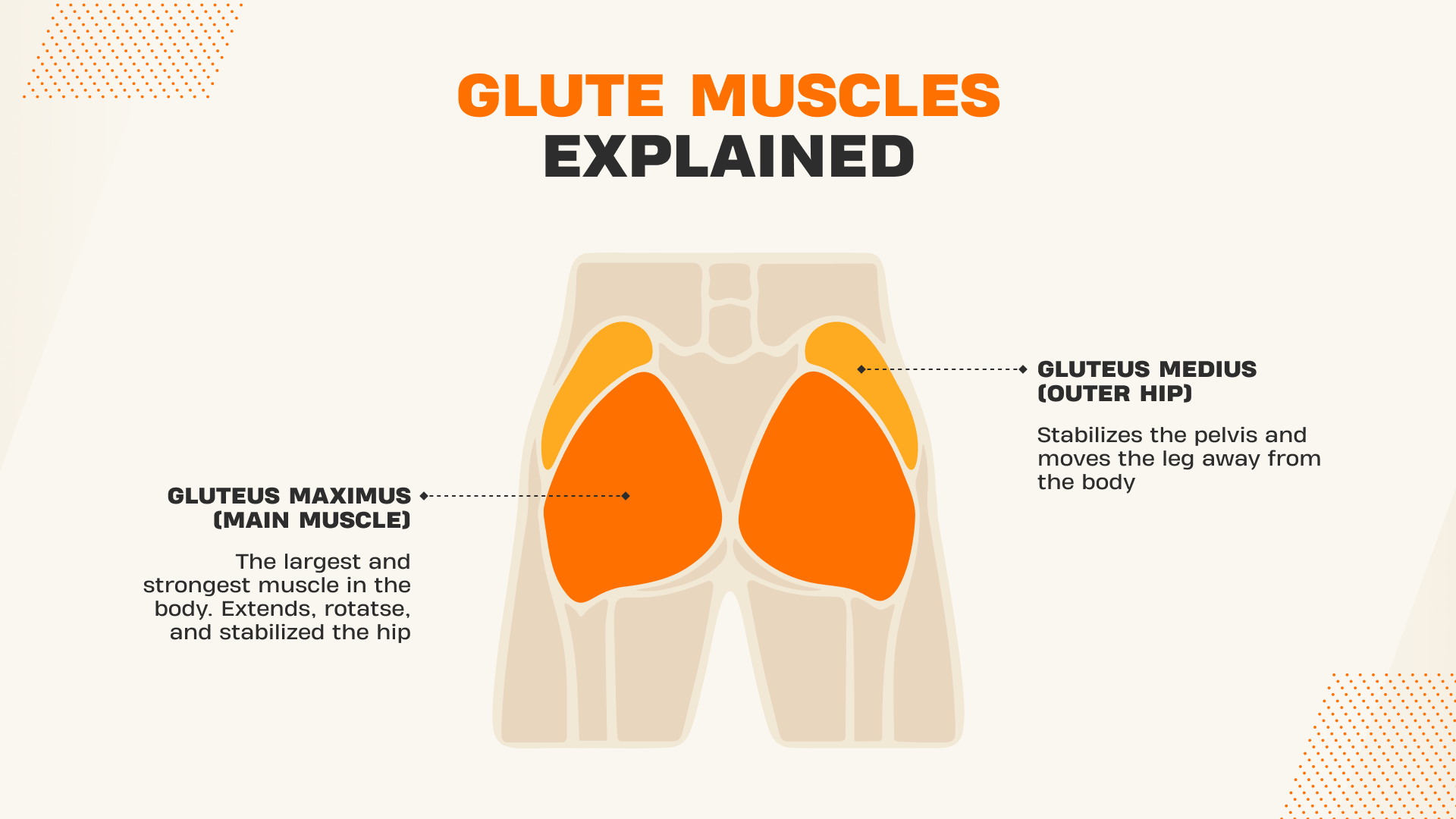
To train your glutes effectively, it helps to understand which muscles are doing the work.
1. The gluteus maximus
This is the largest glute muscle and the main driver of size and strength. If your goal is fuller, stronger glutes, this is the muscle doing most of the work.
2.The gluteus medius
This muscle is smaller and sits higher on the side of your hip. It plays a different role, mainly helping with stability and control.
The glute medius doesn’t build most of your glute size, but it determines how well you can load your glute max.
What makes glutes grow
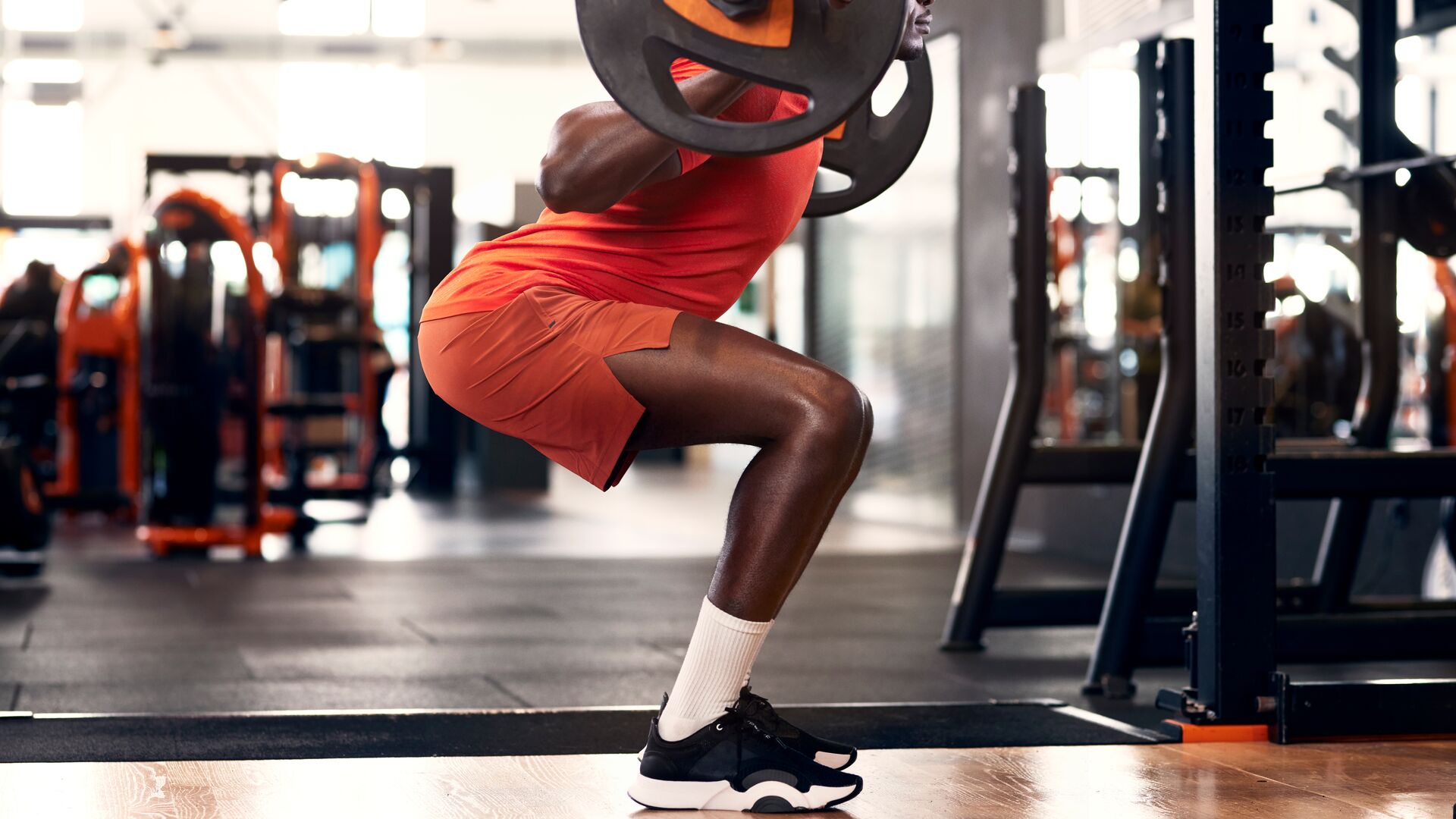
Glutes grow when three things come together: you train the right muscle, you train it hard enough, and you recover well.
If one of these is missing, progress will be slower.
1. Intensity
Muscle growth comes from mechanical tension — putting the muscle under enough load. In practice, that means training close to failure with weights that are challenging.\
You might feel a “pump” during a workout, but that’s not the goal. It can happen during a good set, but chasing it with light weights and high reps often leads to fatigue without enough tension to drive real growth.
2. Progression / Getting Stronger
Progressive overload is key for building strength over time. Track your weights and reps, and aim to improve each session.
For example: if you did 50 kg on an RDL for 8 reps today, aim for at least 9 reps with the same weight, or 8 with slightly more weight on your next session.
3. Recovery
Glutes don't grow from one workout. They grow from:
- consistency,
- recovery,
- and progression.
If you're always sore or losing (not gaining) strength, that's a sign you're not recovering, not a sign you need to train more.
“Recovery is where growth actually happens.”
Best exercises for glutes
No matter your level, the principle stays the same: the right muscle must be doing the work.
For beginners, intermediate and advanced lifters:
Hip thrust:
A strong glute exercise because it trains hip extension directly. It allows you to load the glutes heavily and focus on a strong contraction at the top.
Leg press variation:
A stable way to train the glutes, especially when your setup allows enough hip movement.
Place your feet higher on the platform and around hip-width apart. This reduces knee flexion and increases hip flexion, helping shift more of the work to the glutes.
For intermediate and advanced lifters:
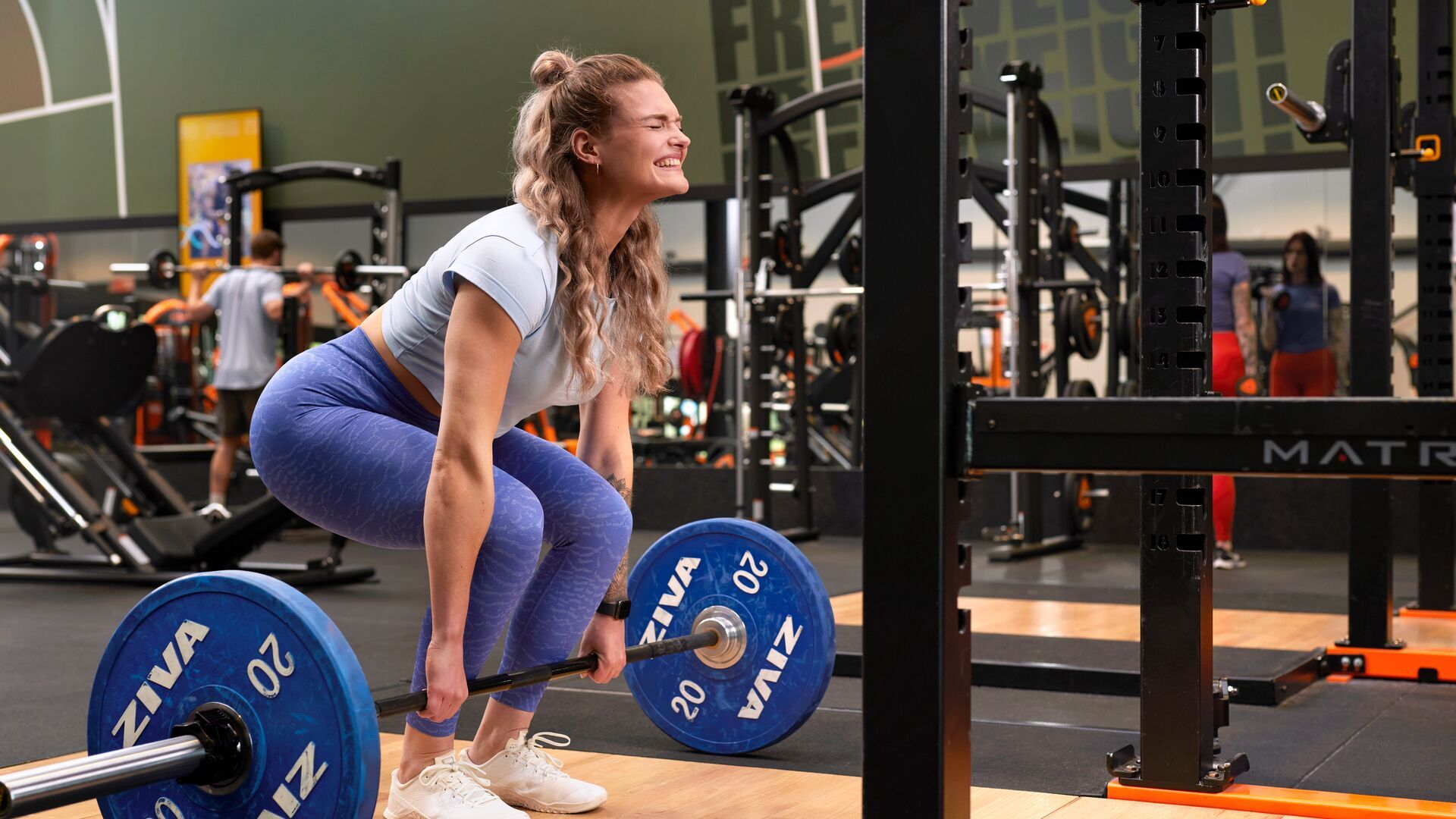
Romanian deadlift (RDL):
Trains the glutes in a stretched position. Very effective when performed with control and the right range of motion.
Split squat / Bulgarian split squat:
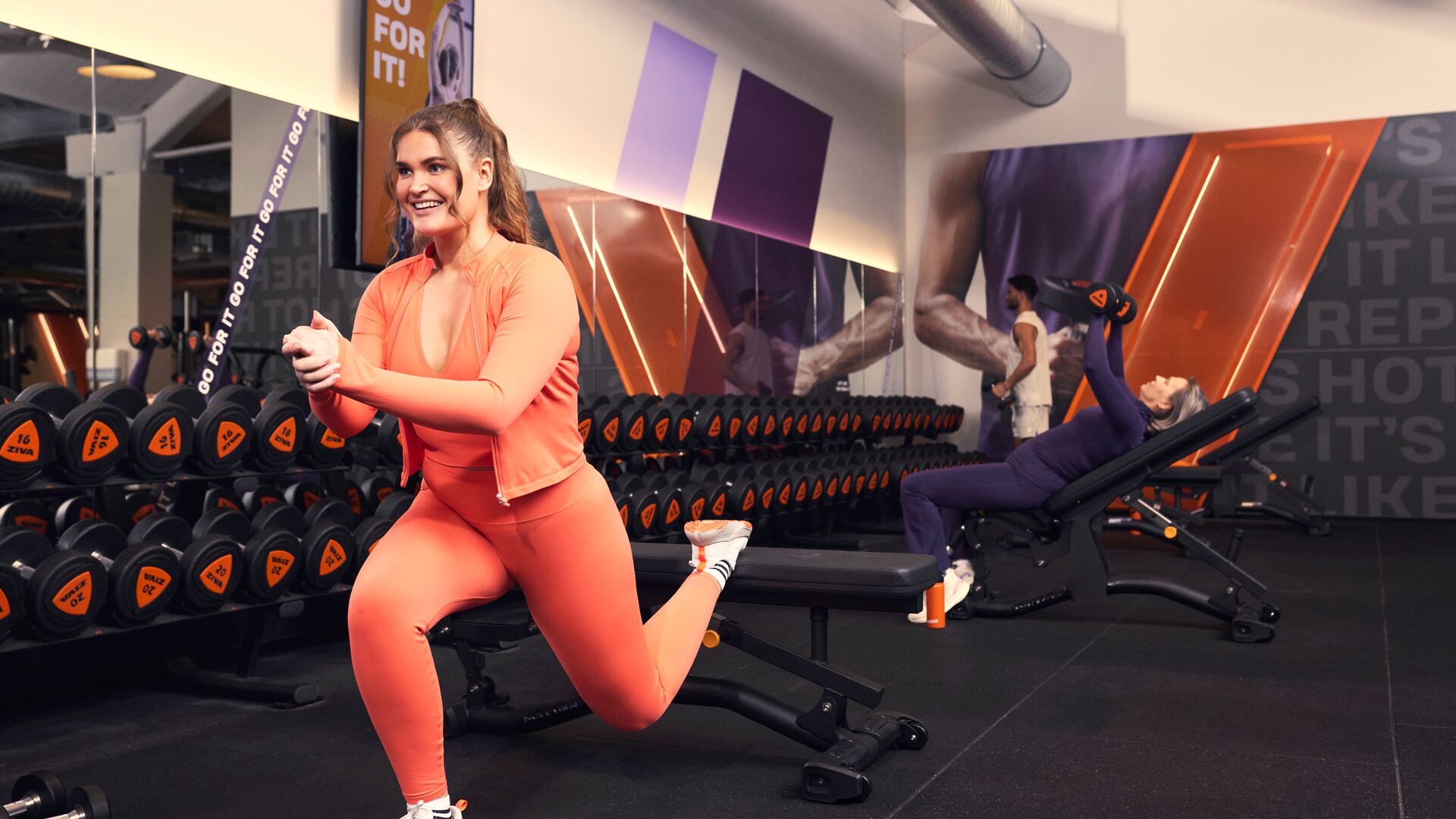
Offers a large range of motion and deep stretch. Requires balance and coordination, which makes it harder to overload, but useful for building stability and addressing imbalances.
Focus on hip flexion (bend) and keep your knee above your ankle.
Hip abductor (machine):
Targets the glute medius. Useful for improving hip stability and control, which supports heavier lifts.
Not a primary muscle builder, but a good addition to prevent imbalances and support overall glute function.
Move with control and avoid swinging or rushing the weight. Keep the tension on your glutes.
For advanced lifters:
Cable kickbacks and other isolation exercises:
Less stable and harder to load heavily. Can be useful for more isolated work, but should not replace your main exercises.
Consistency and quality with a smaller number of exercises will outperform constantly switching between movements.
How to structure your glute workout
Training volume (sets)
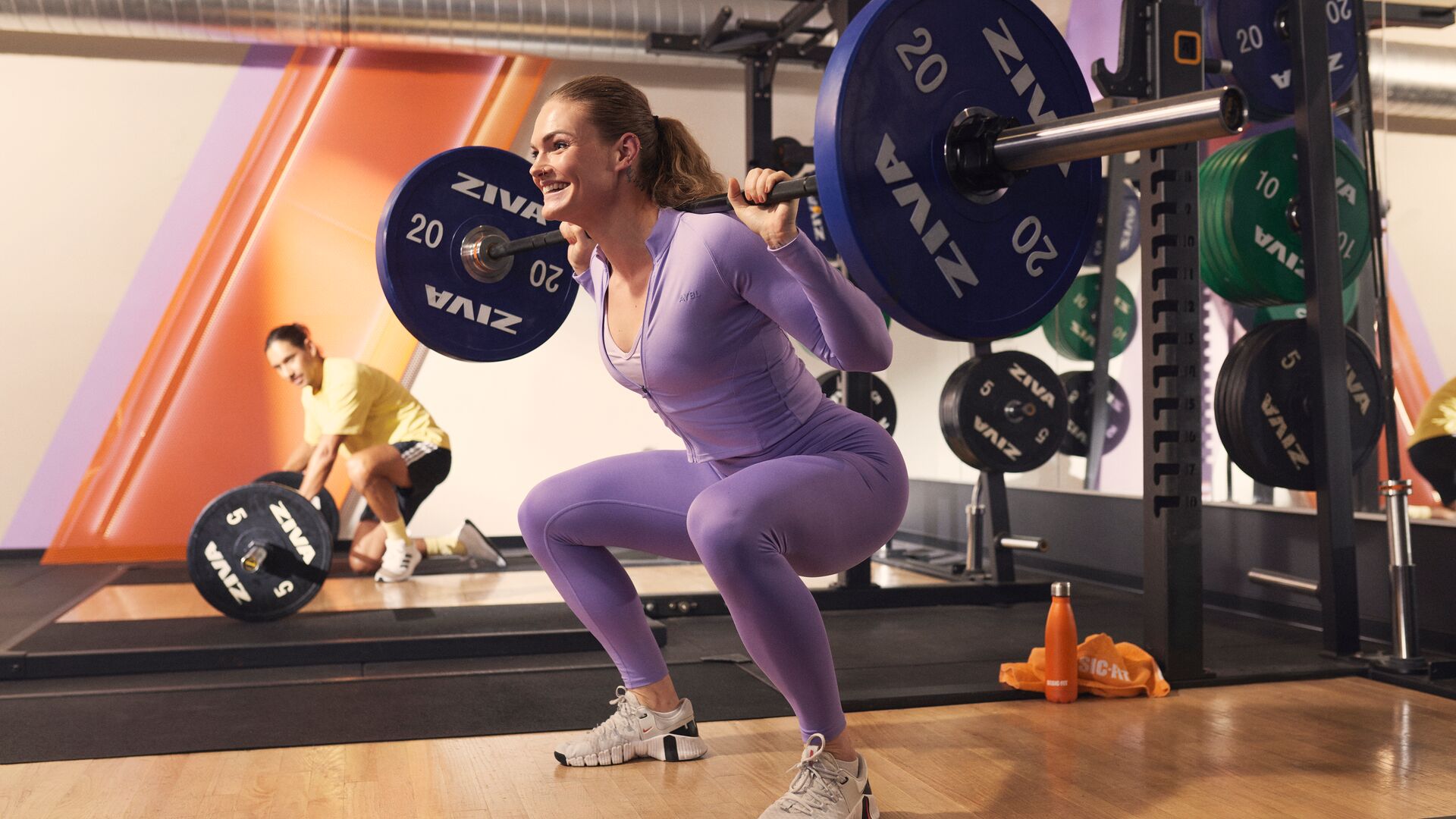
Two to three exercises per session is often enough, as long as you execute them well. Focus on quality sets taken close to failure, rather than a high number of easier sets.
Adjust your volume (the number of hard sets) based on your recovery. If you're always sore or losing strength, reduce your sets before reducing training frequency.
Guidelines by level
Beginner — 6–8 working sets per week
- 2 training days: 3–4 sets per session
- 3 training days: 2–3 sets per session
Intermediate — 8–12 working sets per week
- 2 training days: 4–6 sets per session
- 3 training days: 3–4 sets per session
Advanced — 12–18 working sets per week
- 2 training days: 6–9 sets per session
- 3 training days: 4–6 sets per session
How to combine exercises
Build each session around one heavy movement (such as a hip thrust or RDL), then add a second exercise that complements it from a different angle (like a leg press or split squat).
If you're more advanced, you can add an isolation exercise at the end.
For every exercise you choose, ask yourself:
- Can I load this exercise heavily?
- Am I training the right muscle?
- Does it add something to my program?
Example: beginner
- Leg press — 2 hard sets
- Hip thrust — 2 hard sets
Example: intermediate
- Leg press — 2 hard sets
- RDL — 2 hard sets
- Hip thrust — 2 hard sets
Example: advanced
- Hip thrust — 2 hard sets
- RDL — 2 hard sets
- Bulgarian split squat — 2 hard sets
- Cable kickback — 2 hard sets
If you want more guidance, you can use the Basic-Fit app to support your training. It includes ready-made workout plans, shows you how to use each machine, and helps you track your progress or build your own routine.
Common glute training mistakes
1. Chasing the pump
Many people train for the “pump” — that full, tight feeling in the muscle. But the pump doesn’t drive muscle growth. It’s just a byproduct of training.
It can happen during a good heavy set, but it also shows up with light weights, high reps, and constant squeezing.
In those cases, you get fatigue, but not enough mechanical tension (the load on the muscle), which is what actually drives growth.
Focusing on the pump can slow you down:
- you use lighter weights
- limit strength progression
- create unnecessary fatigue
2. Hip thrust mistakes
A common mistake is placing your feet too wide and turning your toes out too much. This can create tension, but often shifts the work to the gluteus medius.
You feel something, but not the muscle responsible for most of your size and strength.
To target the gluteus maximus better:
- place your feet around hip-width
- keep your toes forward or slightly outward
- use a full range of motion
3. RDL mistakes
The Romanian deadlift is a great glute exercise, but small details matter.
Common mistakes:
- keeping the knees too straight (hamstrings take over)
- going too deep (more load shifts away from the glutes)
- using a stance that is too wide (less stretch on the glutes)
The fix:
- keep a slight bend in your knees
- stop where you still feel tension in your glutes
- stay in control throughout the movement
The goal isn’t to go as deep as possible — it’s to keep tension on the right muscle.
4. Cable kickback mistakes
Many people turn this into a swinging movement.
Common mistakes:
- moving sideways instead of backward
- using momentum
- moving from the lower back instead of the hip
The fix:
- move your leg straight back
- keep the movement controlled
- focus on tension, not height
If you move too far sideways, the glute medius takes over more. If your goal is glute max, the movement should be more backward.
5. Doing too much
More training, more sets, and more exercises don’t always lead to better results.
If your body can’t recover, adding more won’t help.
Train hard, but give your body time to recover — both between sets and between sessions.
6. Training based only on feeling
Feeling your glutes doesn’t always mean you’re training them effectively.
You might feel tension, but is it the muscle you actually want to grow?
Make sure you understand:
- what the exercise is targeting
- where you should feel the tension
- whether you can load and progress the movement
7. Choosing exercises that are too complex
Advanced-looking exercises aren’t always better.
If an exercise requires too much balance or coordination, it can stop you from loading the muscle properly.
Keep it simple and focus on exercises you can control.
If you’re not sure whether you’re doing an exercise correctly, a personal trainer can help you improve your technique and make sure you’re training the right muscle.
How long does it take to see results
This is where many people quit too early. Building your glutes takes time.
You won’t see major changes after one or two workouts. Real progress comes from weeks and months of consistent training, proper recovery, and progressive overload.
A better question than “Do I see results yet?” is: are you getting stronger?
For example:
- more reps with the same weight
- more weight with the same control
- better execution
- better recovery between sessions
Strength progression is one of the clearest signs that your training is working.
If you’re getting stronger over time, you’re on the right track.
Conclusion
Effective glute training isn’t about finding one perfect exercise. It comes down to understanding what you’re doing, training with intention, and giving your body time to recover.
When you focus on the basics and stay consistent, that’s when real progress starts.
If you need extra guidance, you can always use the Basic-Fit app to stay consistent and track your progress.
Want to go deeper into one of the key exercises? Learn how to perform a hip thrust with proper technique in our full guide: Hip thrust technique for effective glute training
This article is for general information only. Individual needs can vary depending on health status, training experience, and personal goals. If you have a medical condition or specific health concerns, consider seeking advice from a qualified healthcare professional.


