


Did you know your menstrual cycle can affect how you feel when you train, and the results you see? Many women stick to the same routine week after week, without realising their hormones shift throughout the month.
In this article, you’ll discover how the different phases of your cycle affect your energy, strength and recovery. You’ll learn what type of training, nutrition and supplements can help you get the most out of each phase, so you can train smarter, with less frustration and better results.
Why training isn’t a straight line
Most training plans are designed in a linear way: you’re expected to perform slightly better each week than the one before. However, the female body doesn’t work like that.
If you’ve ever felt strong one day and like everything is twice as hard the next, it doesn’t mean you’ve lost progress. It’s your physiology. Understanding your menstrual cycle allows you to adjust your pace, respect lower-energy days and make the most of the moments when you feel strrong.
If your goal is to improve your body composition, whether that’s losing fat or gaining muscle, adapting your training to your hormones is the smartest strategy to stay consistent long term without burning out.
Understanding your cycle: the four phases
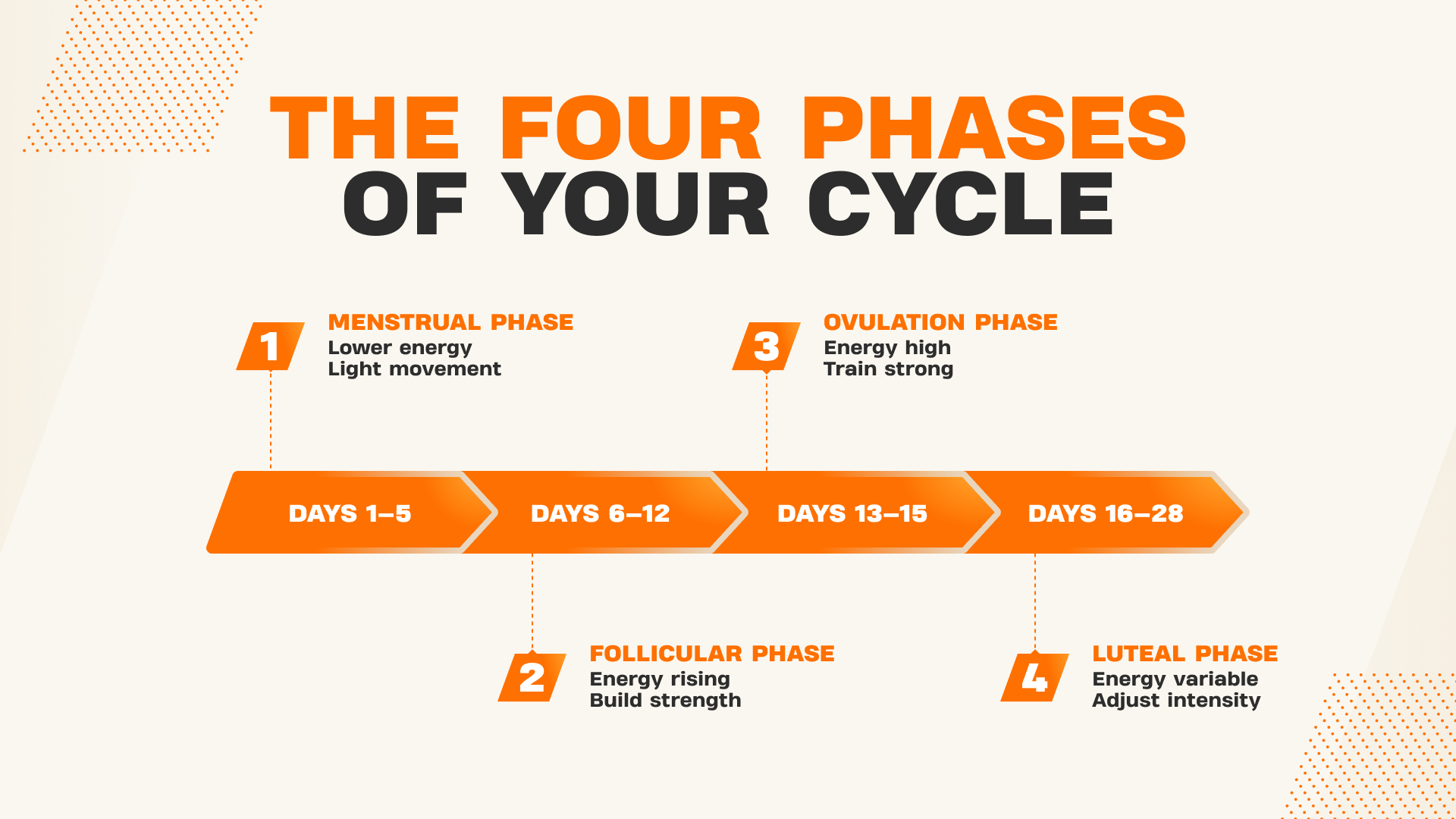
The cycle has four main stages, marked by fluctuations in hormones such as estrogen and progesterone:
- Menstrual phase: the start of the cycle.
- Follicular phase: the time between your period and ovulation.
- Ovulatory phase: the midpoint, when the chance of pregnancy is highest.
- Luteal phase: the days leading up to your next period.
Each phase has its own “superpowers” and limitations that you can use to your advantage.
Phase-by-phase guide: train, eat and feel

Menstrual phase (Days 1–5 approx.)
During this phase, estrogen and progesterone are at their lowest. It’s completely normal to feel more tired than usual, or to experience cramps and a heavy feeling.*
- How to train
Don’t push yourself. This is an ideal phase for active recovery or low-intensity exercise. Try mobility sessions, light treadmill walks or a gentle yoga class. If you feel like lifting weights, reduce the load and focus on technique.*
You could even invite a friend for a light session and turn it into a catch-up while you move.
- Nutrition and supplements
Prioritise iron-rich foods such as spinach, legumes or lean meat to compensate for the blood loss.* Magnesium may help reduce cramps and omega-3 can support inflammation control.*
Coach’s tip: In the Basic-Fit app, you’ll find stretching and mobility routines that are perfect for those days when your body asks you to slow down but you still want to move.
Follicular phase (Days 6–12 approx.)
As estrogen rises, your energy lifts. Your body starts using carbohydrates more efficiently as fuel and your recovery capacity increases.*
- How to train
This is your moment to shine. Focus on heavy strength training and progressing your loads.* It’s the best time to aim for personal records or try new exercises.
- Nutrition and supplements
Make sure you get enough protein for muscle repair. Creatine* can be a great ally in this phase to support strength gains.
Coach’s tip: Take advantage of this motivation boost to plan your most intense strength sessions and track your progress in the Basic-Fit app.
Ovulatory phase (Days 13–15 approx.)
This is the peak of estrogen, with a small rise in testosterone. You may feel strong and confident.*
- How to train
You can keep the intensity high, but be careful: some studies* suggest the risk of joint injuries slightly increases during these days. Keep your technique sharp in squats or leg presses.
- Nutrition and supplements
Stay well hydrated and prioritise antioxidant-rich foods such as berries and leafy greens. Collagen may provide extra support for your connective tissues.*
Coach’s tip: If you need help refining your technique, a session with a personal trainer can help you train with more confidence and safety.
Luteal phase (Days 16–28 approx.)
Progesterone rises and, with it, your body temperature and resting heart rate. You may notice you get tired sooner and experience the well-known premenstrual cravings.
- How to train
Shift your mindset. Move to moderate strength training or circuits with more reps and less weight. Avoid extreme overexertion, as fatigue may take longer to fade.
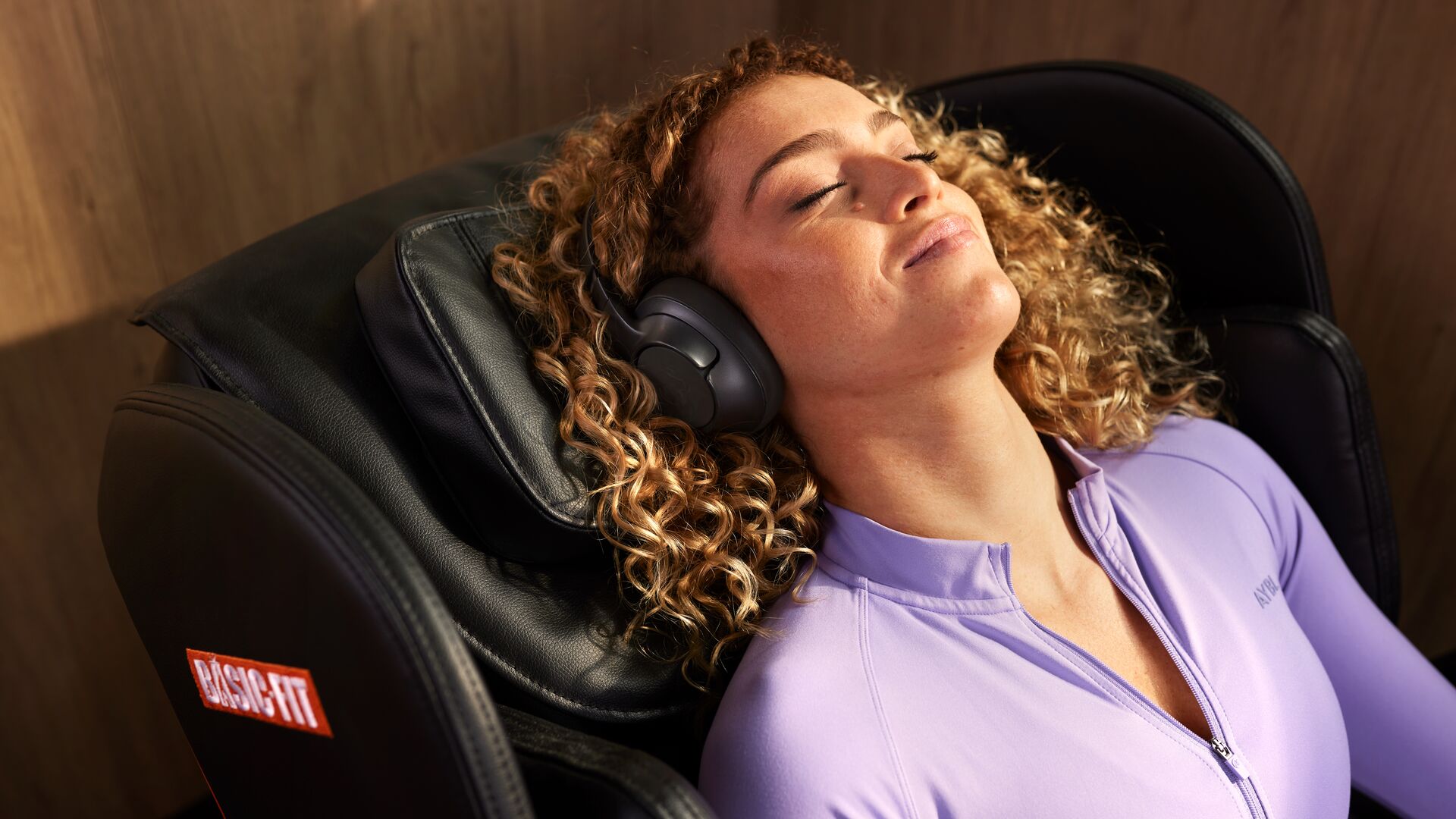
This can also be a good time to prioritise how you feel. Maybe finish your session with a stretch or a few minutes in the massage chair.
- Nutrition and supplements
Cravings are normal, opt for complex carbohydrates such as oats or potatoes to stay satisfied. Tryptophan, found in turkey and bananas, and vitamin B6 may help support your mood.*
Coach’s tip: If you find yourself getting out of breath more quickly during cardio, don’t worry, that’s progesterone doing its thing. Dial the intensity down to “moderate” and finish your session without putting pressure on yourself.
Listening to your body is the key to real progress
Training smart doesn’t mean giving up when you’re tired, it means adapting the stimulus so it always adds up. Adjusting your routine to your cycle helps prevent injuries, reduces the mental stress of “not keeping up” and, above all, improves consistency.
Remember that every body is different. Ideally, use a training journal or tracking app to note how you feel each week. Over time, you’ll see patterns that help you become your own best coach.
In the end, the best training plan is the one you can maintain month after month, while respecting your body’s natural rhythm.
If you’d like extra support, you can use the Basic-Fit app to track your workouts and adjust them to your cycle. Training smarter starts with understanding your rhythm.
This article is for general information only. Individual needs can vary depending on health status, training experience, and personal goals. If you have a medical condition or specific health concerns, consider seeking advice from a qualified healthcare professional.
Sources
- McNulty KL, et al. The effects of menstrual cycle phase on exercise performance. Sports Med. 2020.
- Coldewey J, et al. The influence of menstrual cycle phases on maximal strength performance. Sports. 2024.
- Meignié, A., et al. (2021). The Impact of Menstrual Cycle Phase on Athletes’ Performance: A Narrative Review. International Journal of Environmental Research and Public Health.
- Benito, P. J., et al. (2023). Effect of menstrual cycle phase on the recovery process of high-intensity interval exercise. IJERPH.
- Cleveland Clinic (2023). Nutrition and Exercise Throughout Your Menstrual Cycle.


